
Black mould, blood stains and £200,000: Inside the Ipswich block questioning its service charges
When a resident raised concerns about service charges at Pipers Court, a 103-home apartment block on Old Foundry Road, we went to take a look. From the outside, it is not without a certain charm, but what lies beyond the entrance tells a very different story.

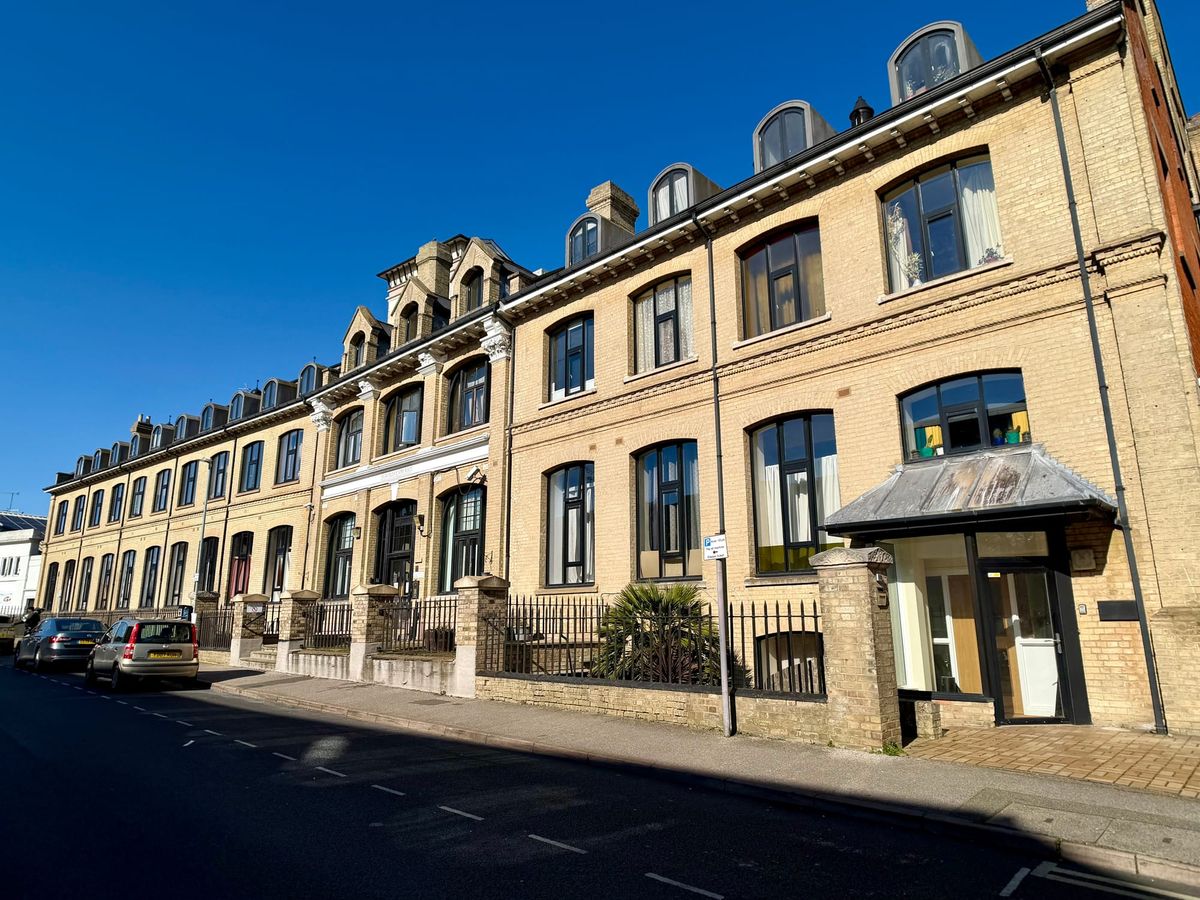
Pipers Court has a past steeped in history. The imposing building on Old Foundry Road was constructed in 1851 as a textile factory for Philips and Piper Christchurch Works, at its peak employing up to 500 people. It produced clothing for the military during the Second World War and later supplied tailored garments used in the early James Bond films. The factory closed in June 1982 and was converted into 103 residential apartments, reopening in October 1983. Oak Housing acquired the block in October 2018.
From Wednesday, 1 April 2026, each of the block's 103 tenants will pay a weekly service charge of £37.46, up from £36.91. Across all properties, that totals £200,481.42 per year – £1,946.42 per flat.
The largest single line item is communal cleaning, at £21,370.44 across the building per year. External window cleaning adds a further £10,176.40, bringing the combined cleaning bill to £31,546.84 annually. Staffing — covering a housing officer and caretaker, along with associated national insurance and pension contributions — accounts for £51,631.84 in total.
Three separate line items cover administrative costs: office administration fees (£13,229.32 per year across the building), admin internal charges described as central overhead (£6,534.32), and a management charge (£6,534.32) — a combined total of £26,297.96. The remaining charges cover fire safety systems and repairs, lift servicing and repairs, communal electricity, building insurance, laundry room equipment, security systems, ground maintenance, water system maintenance, Legionella testing, bulk waste removal, TV communal maintenance and a sinking fund contribution.
A resident of Pipers Court contacted Ipswich.co.uk to raise concerns about the service charge, requesting anonymity due to fears of retaliation from management.
"Despite the building being in a state of significant neglect, the management has recently issued new service charge demands for 2026/27 that contain staggering and physically impossible figures," they told us.
We visited the building to see for ourselves.
Cleaning not in progress
On first entering the building, the main entrance appeared relatively clean, with cleaning equipment laid out, as if in anticipation of our unannounced visit.
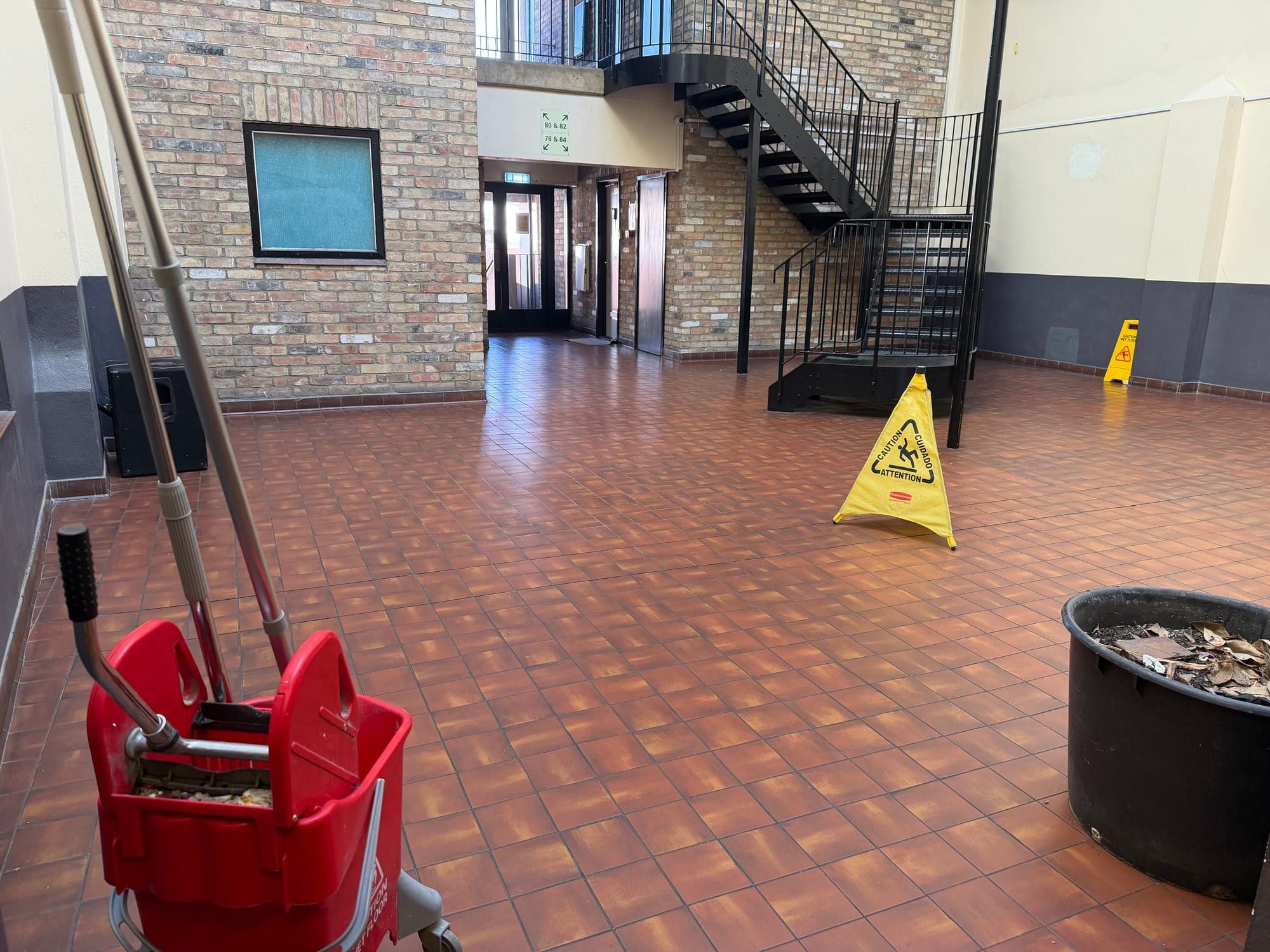
But beyond that, the picture quickly deteriorated.
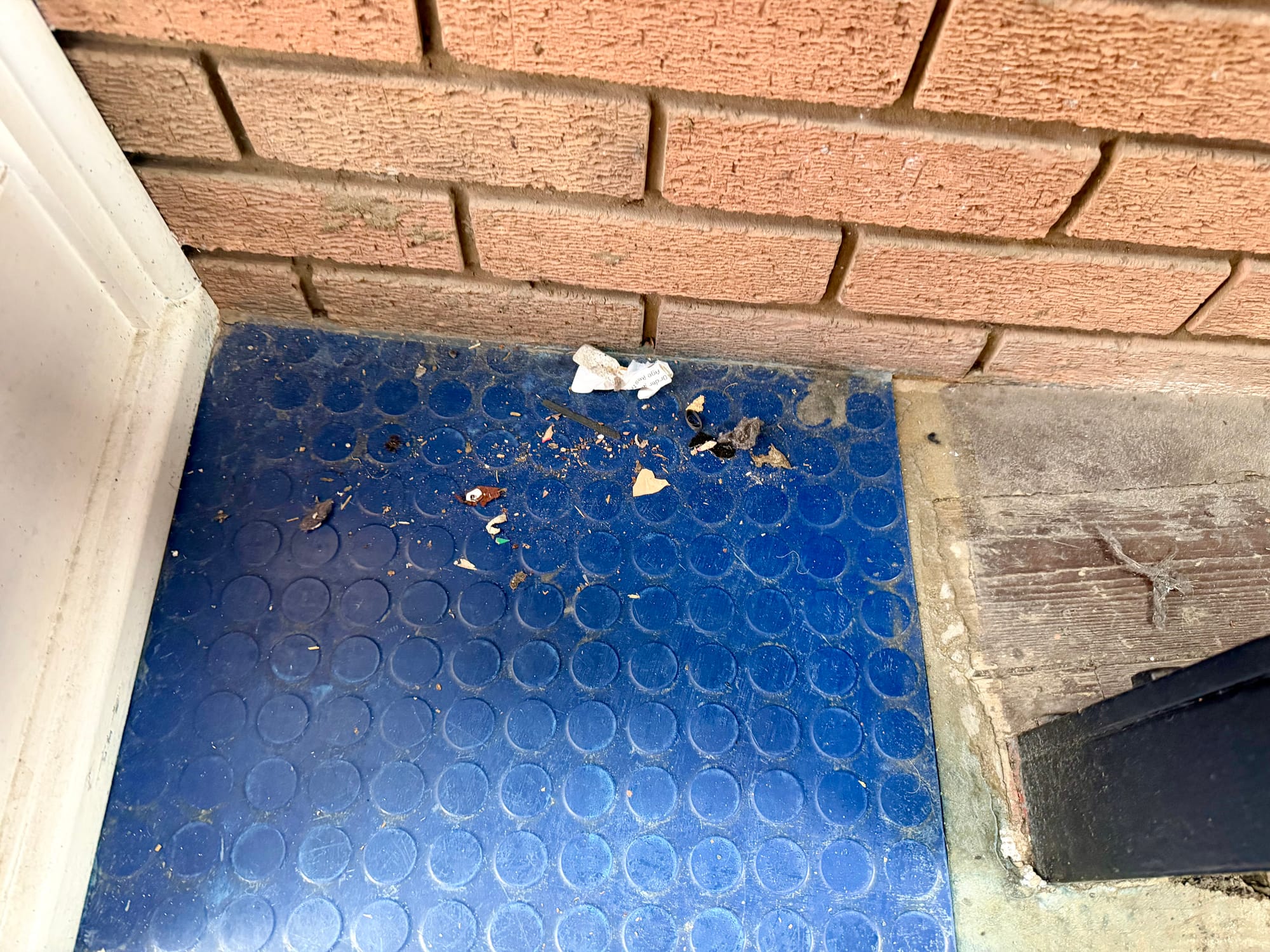
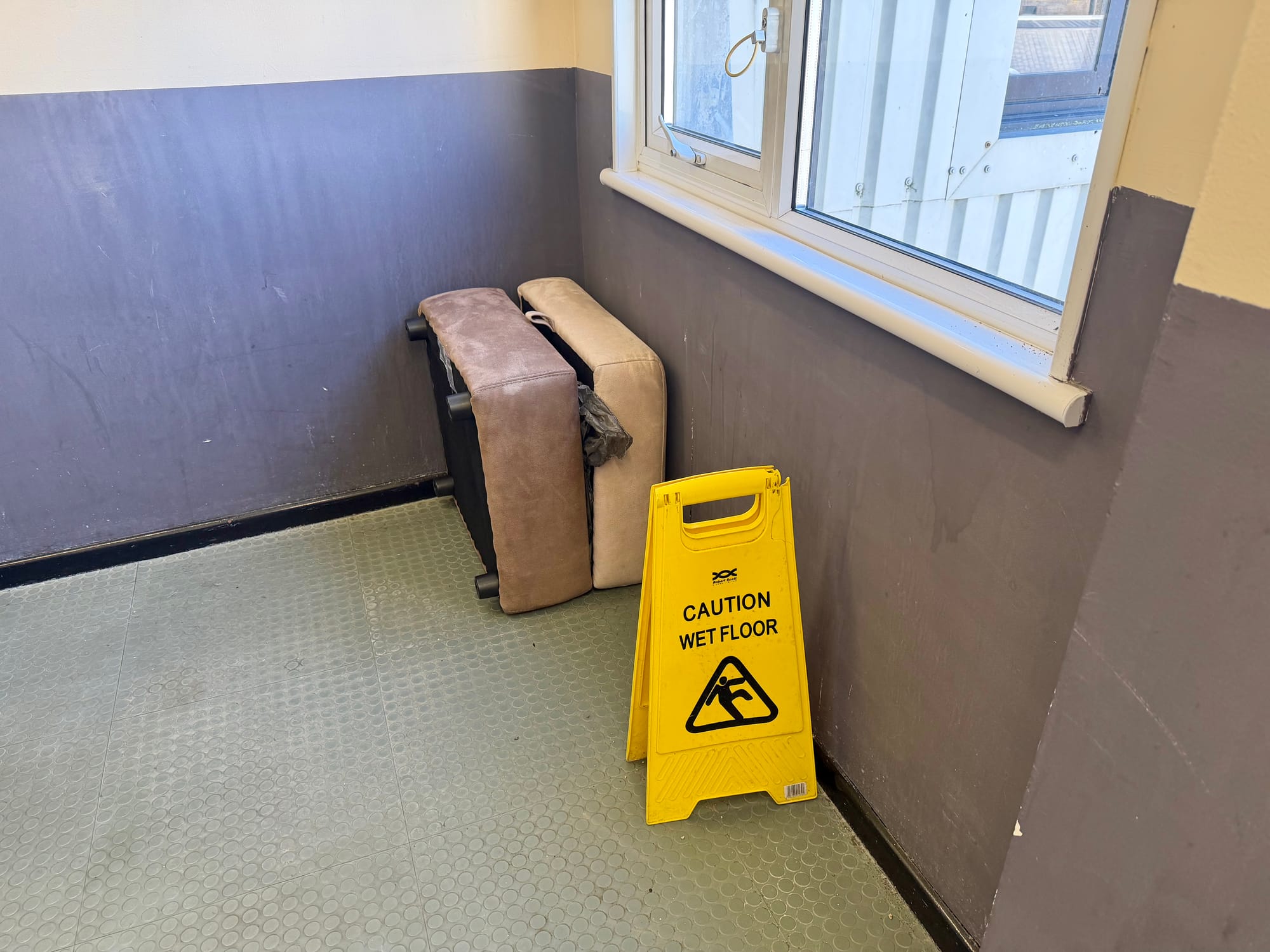
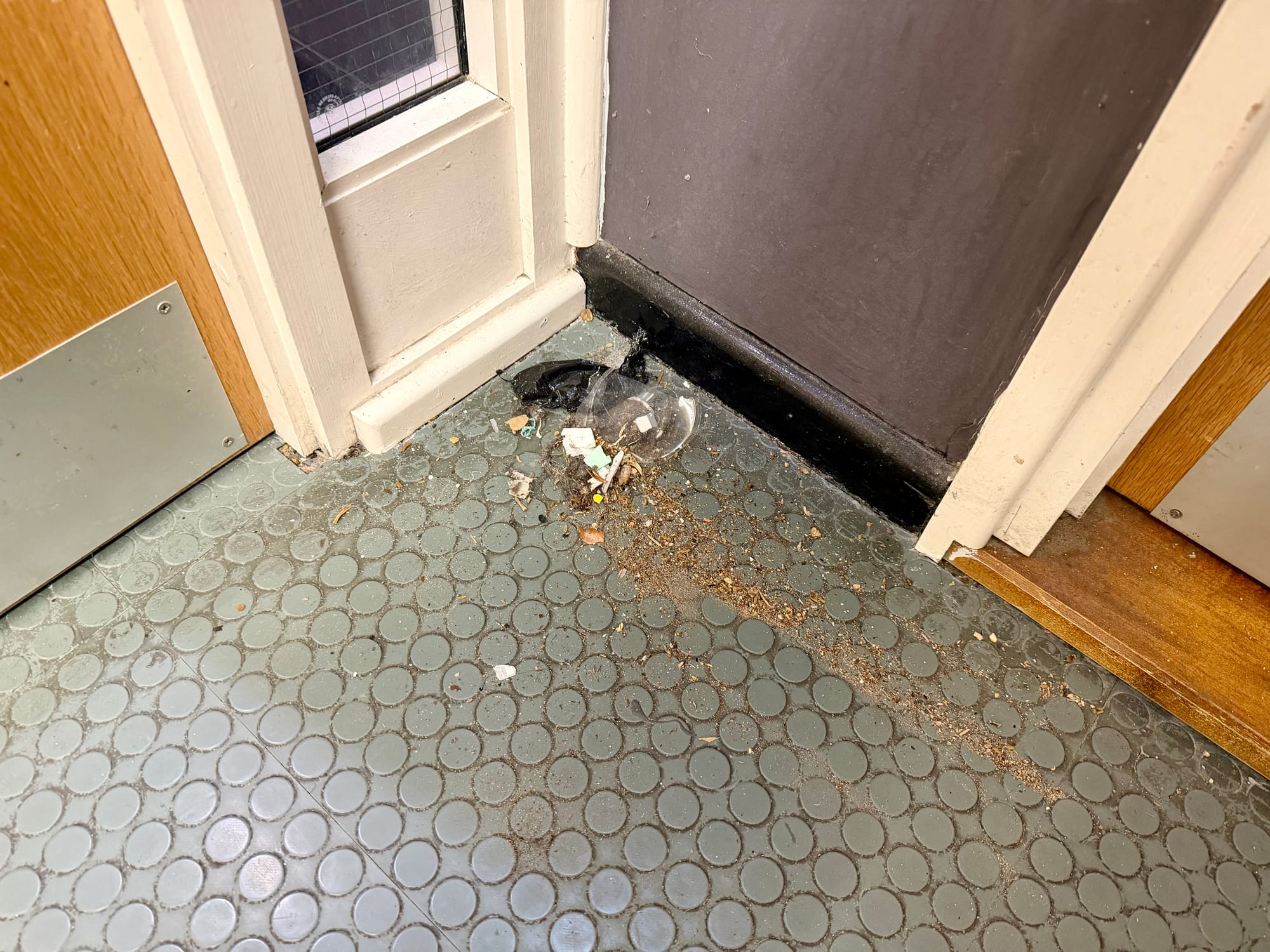
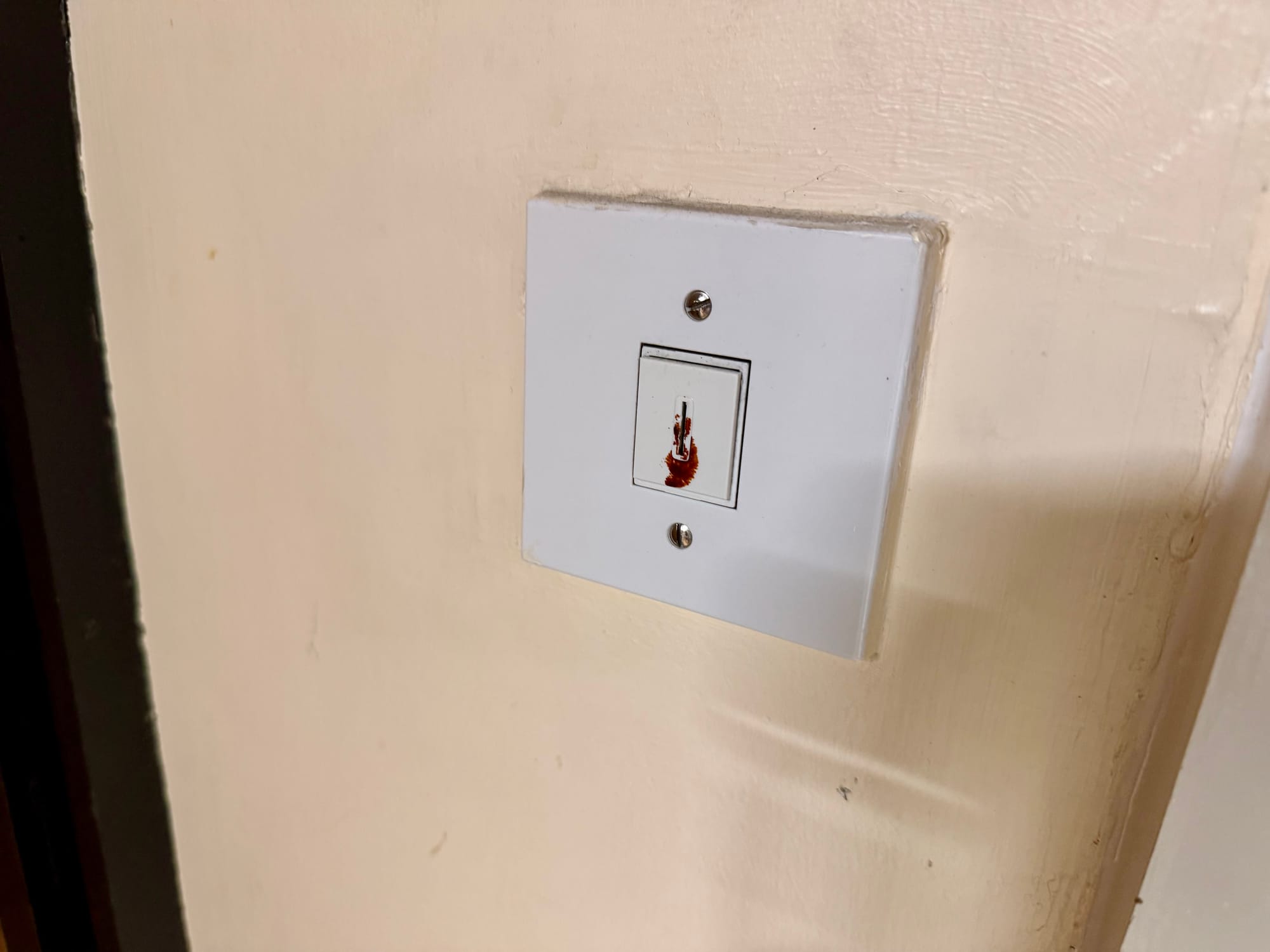
The largest single line item on the service charge bill is communal cleaning, at £21,370.44 per year across the building, but few would consider Pipers Court 'clean'. Dirt, dust, and rubbish were widespread throughout the building's communal spaces. Black mould was easily visible on many windows. In the laundry room, what appeared to be congealed blood covered the main light switch.
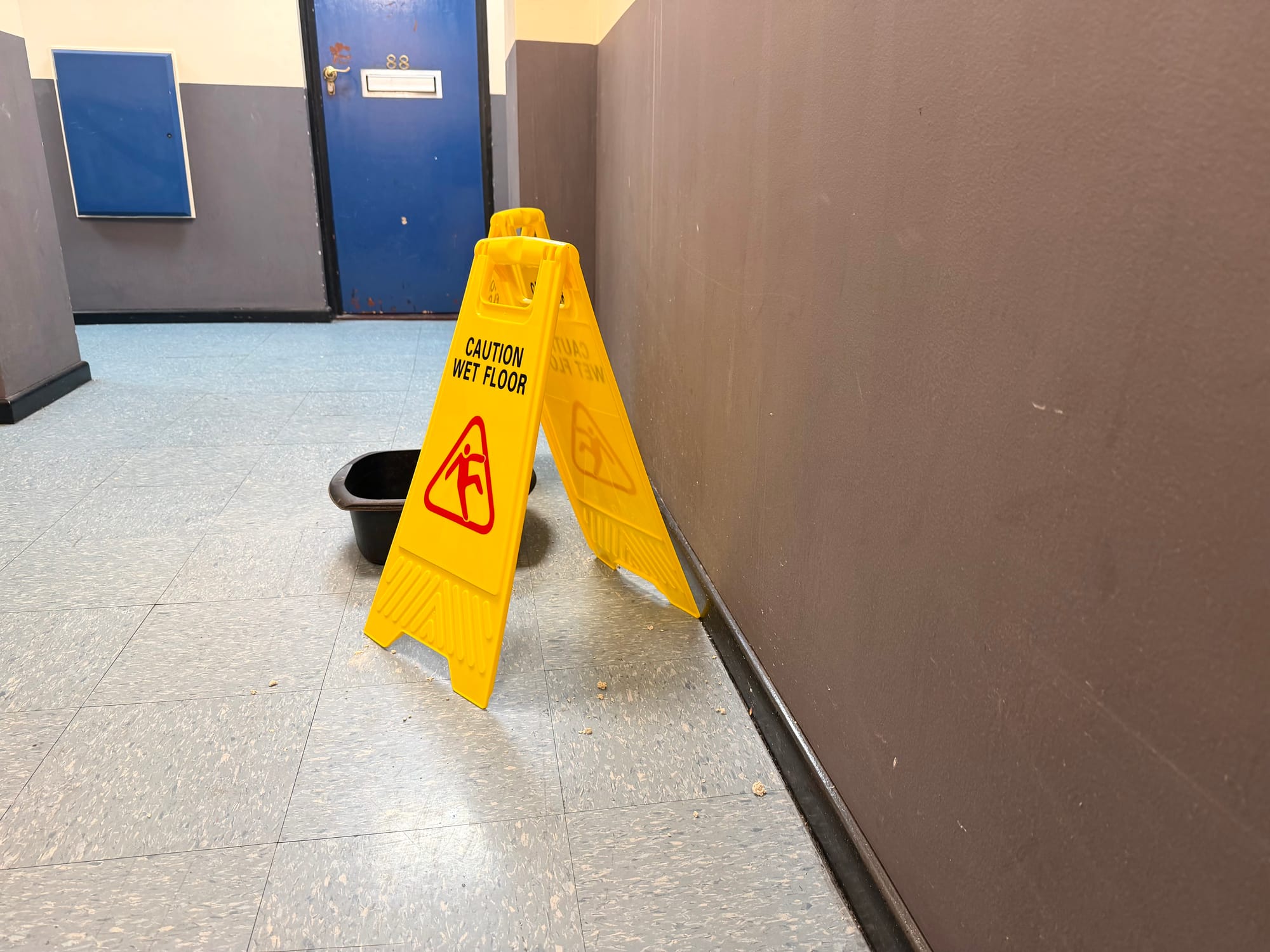
Cleaning-in-progress signs lined the halls and stairways, but no actual cleaning was observed. Ironically, the areas bearing these signs were, in most instances, among the dirtiest we saw — a statement of intent, perhaps, or just an attempt to convince residents that action was imminent.
A full-time cleaner on minimum wage, working a standard 37.5-hour week, would cost £24,785 per year – a little above the £21,370.44 budgeted for cleaning before employment expenses. It is hard to imagine this much dirt with a full-time or near-full-time cleaner on the books.
'A state of significant neglect'
Staffing — including a housing officer and caretaker, along with associated national insurance and pension contributions — accounts for £51,631.84 of the service charge. A caretaker is typically responsible for the daily upkeep, cleaning, security, and minor maintenance of the building's communal areas. They would usually act as the "eyes and ears" for housing management on the ground, ensuring a safe, clean, and well-maintained environment for residents.
It would be hard to argue that Pipers Court is well-maintained.
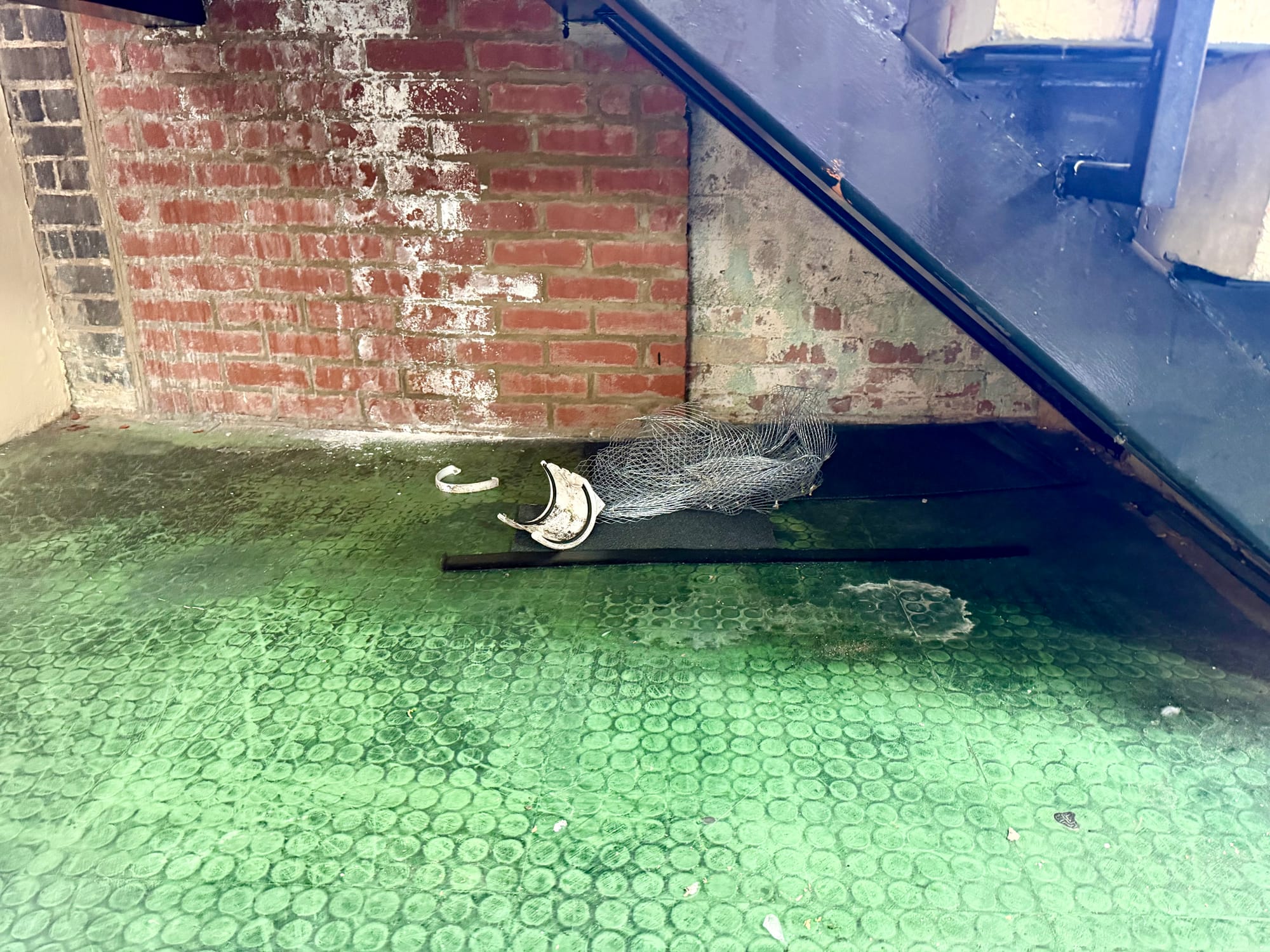
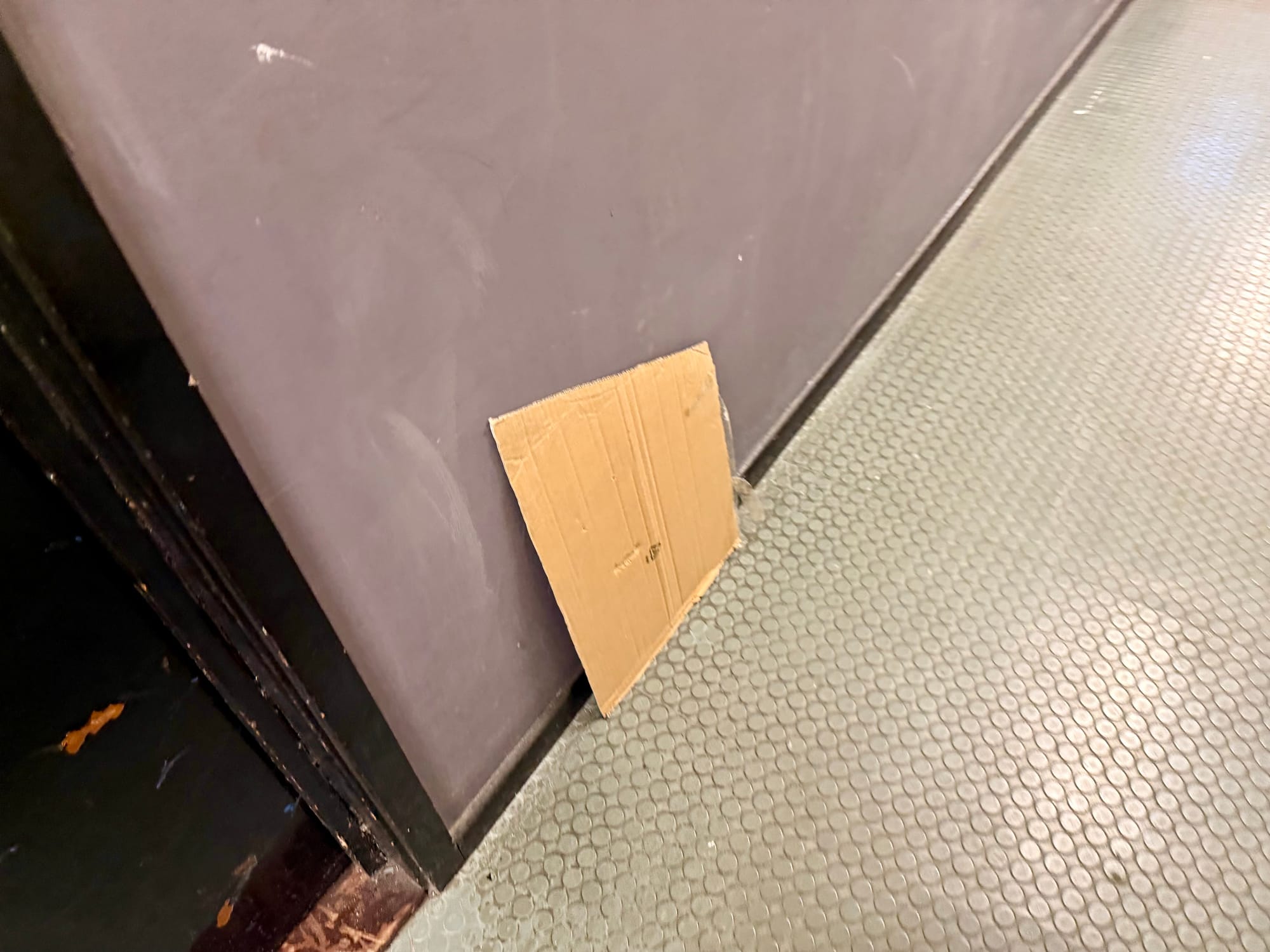
The first thing you notice when walking around Pipers Court is the mishmash of apartment doors – all in poor repair, some with drawn-on numbers and many featuring broken keypads. One hallway had missing roof tiles. Wall finishes were tired at best, nonexistent at worst. Broken and missing floor tiles are a recurring feature of the hallways. Visible signs of damp were present throughout. Exposed electrics can be seen poking out of casings.
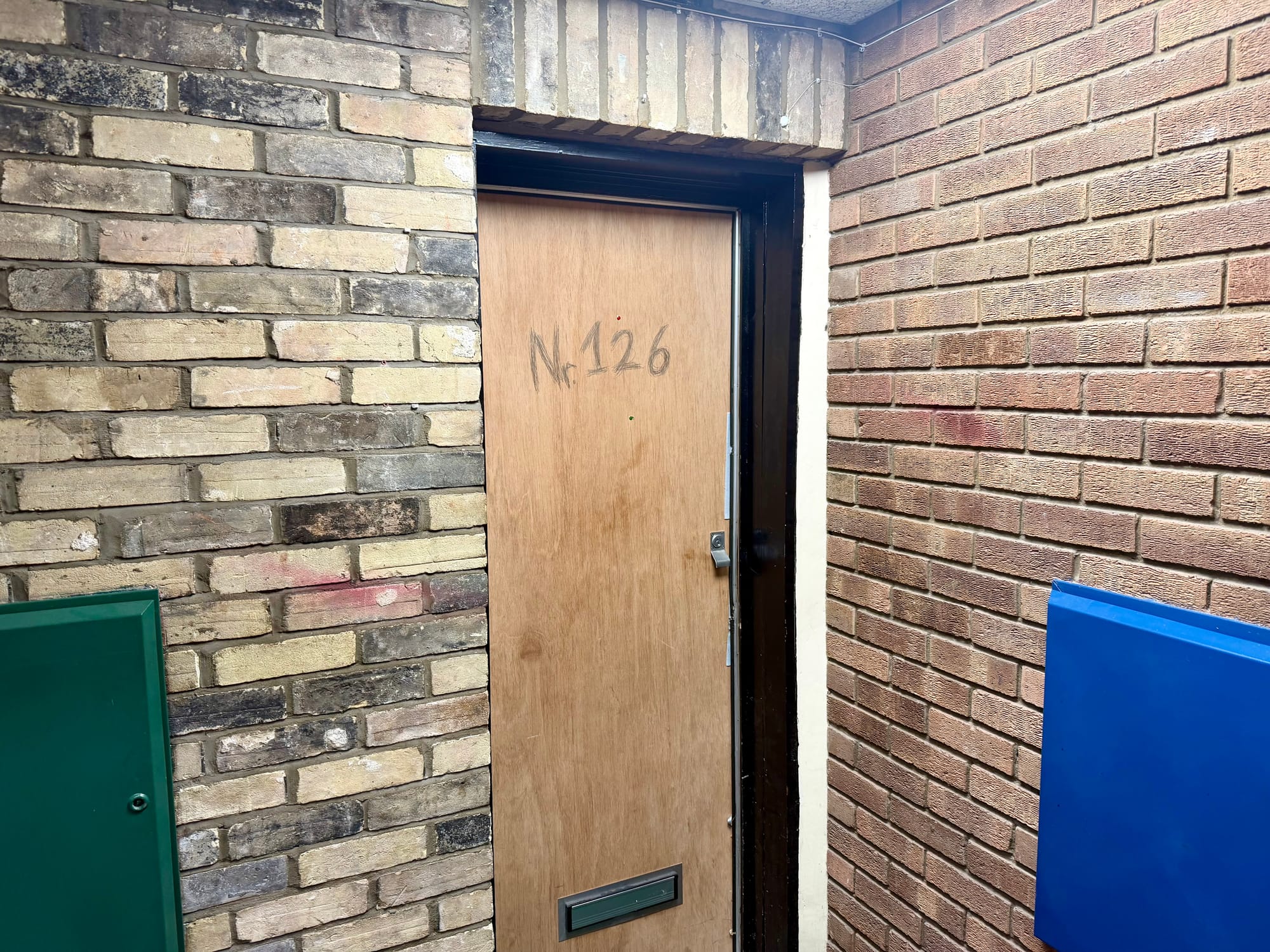
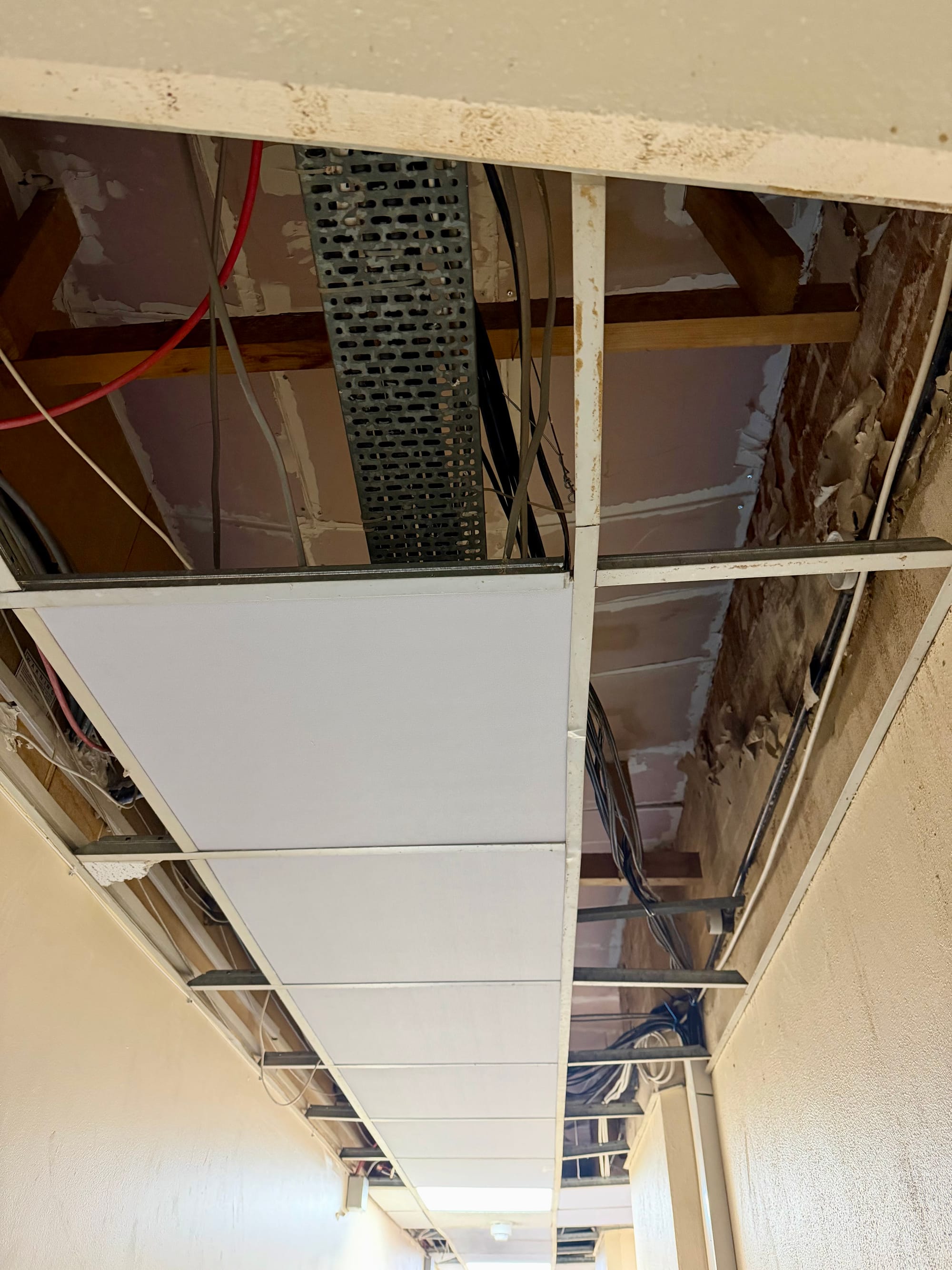
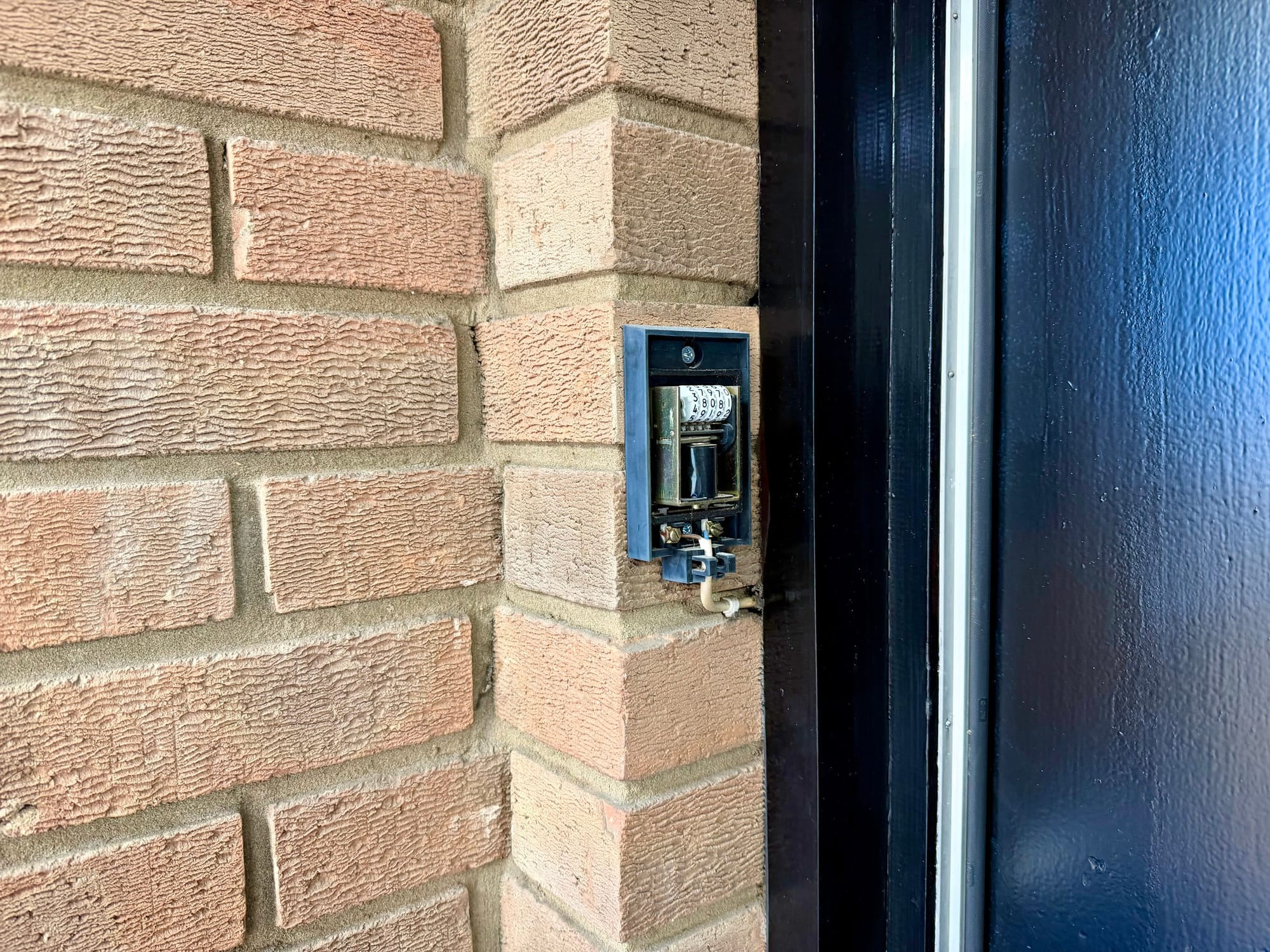
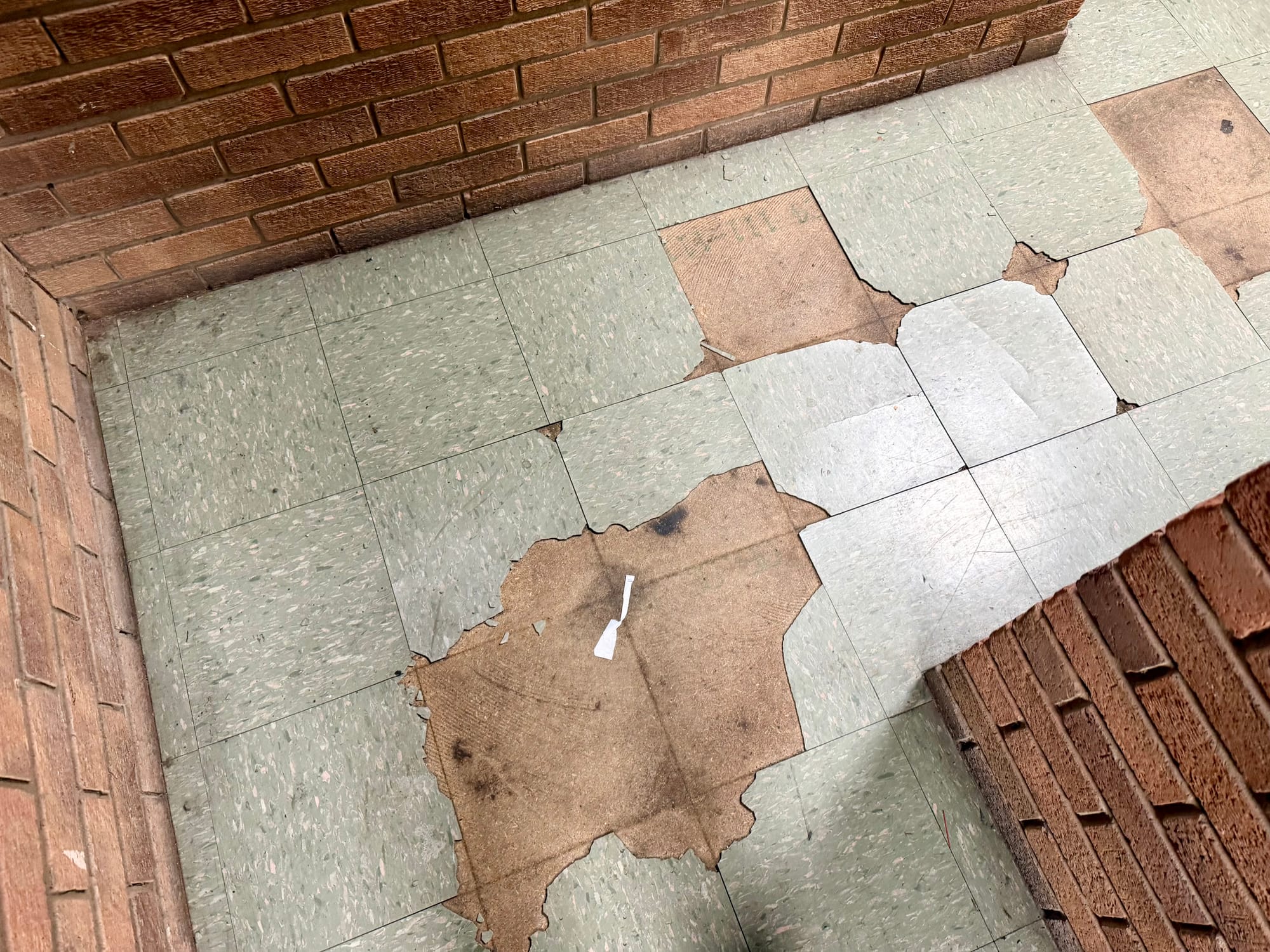
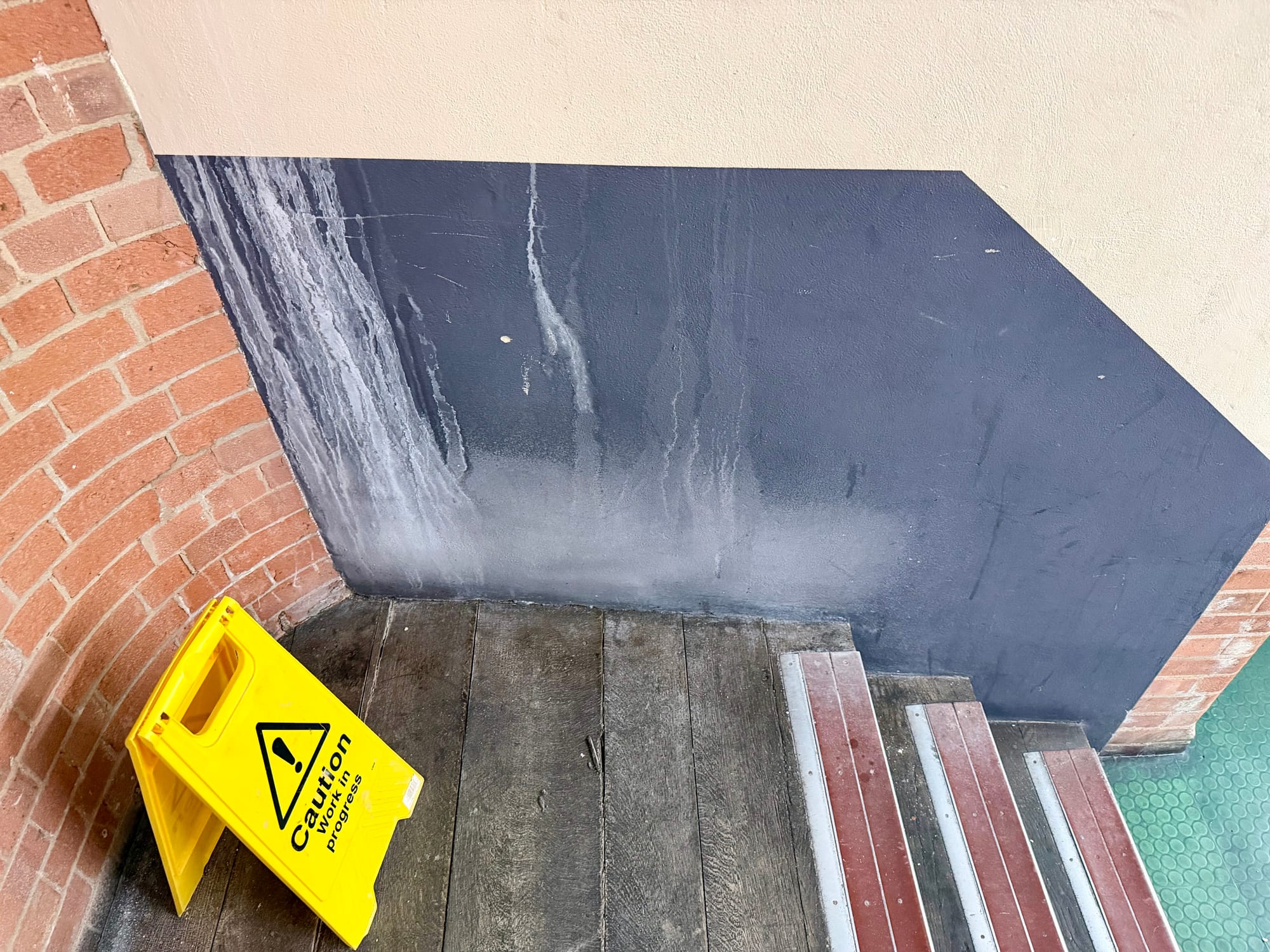
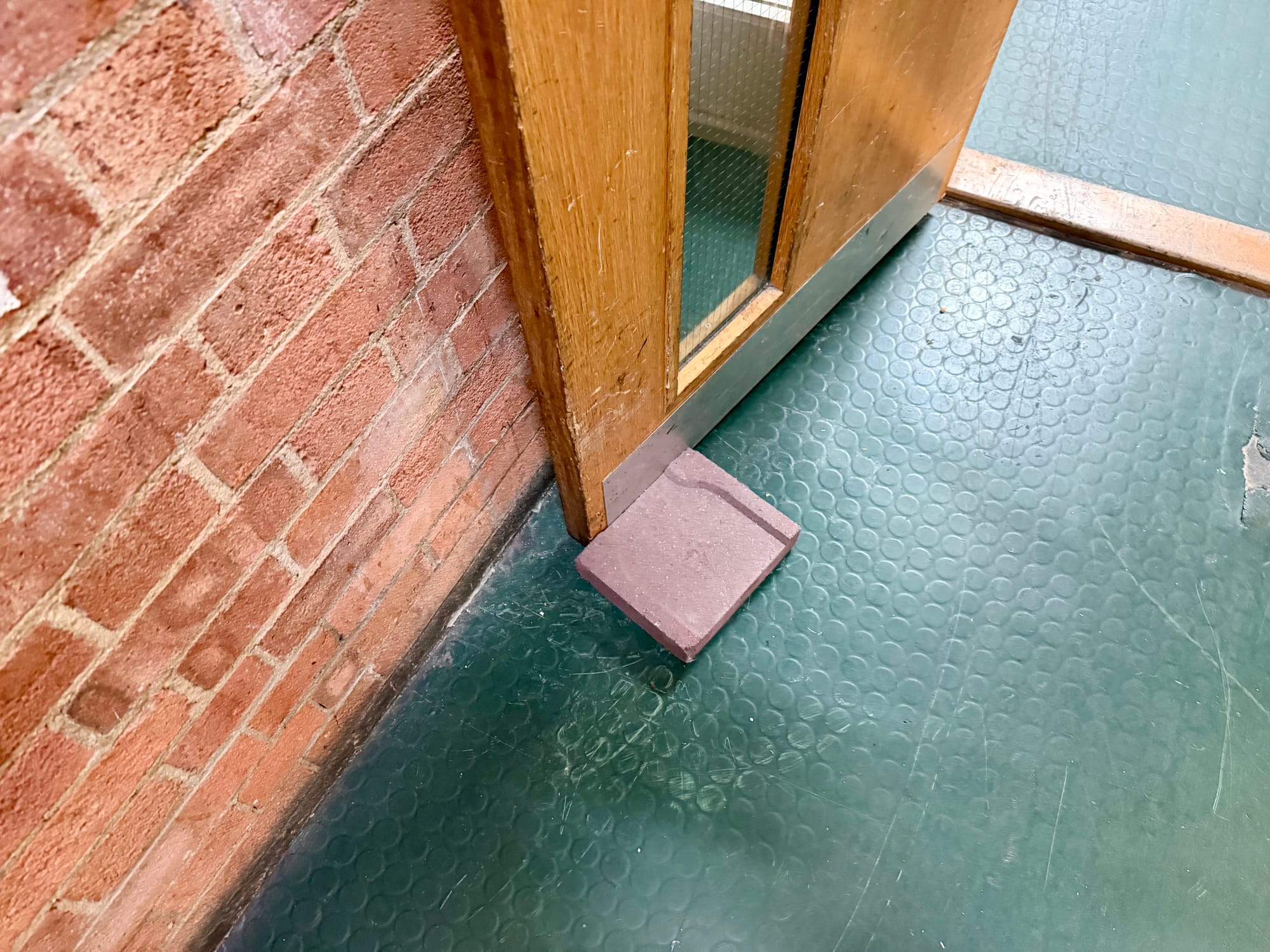
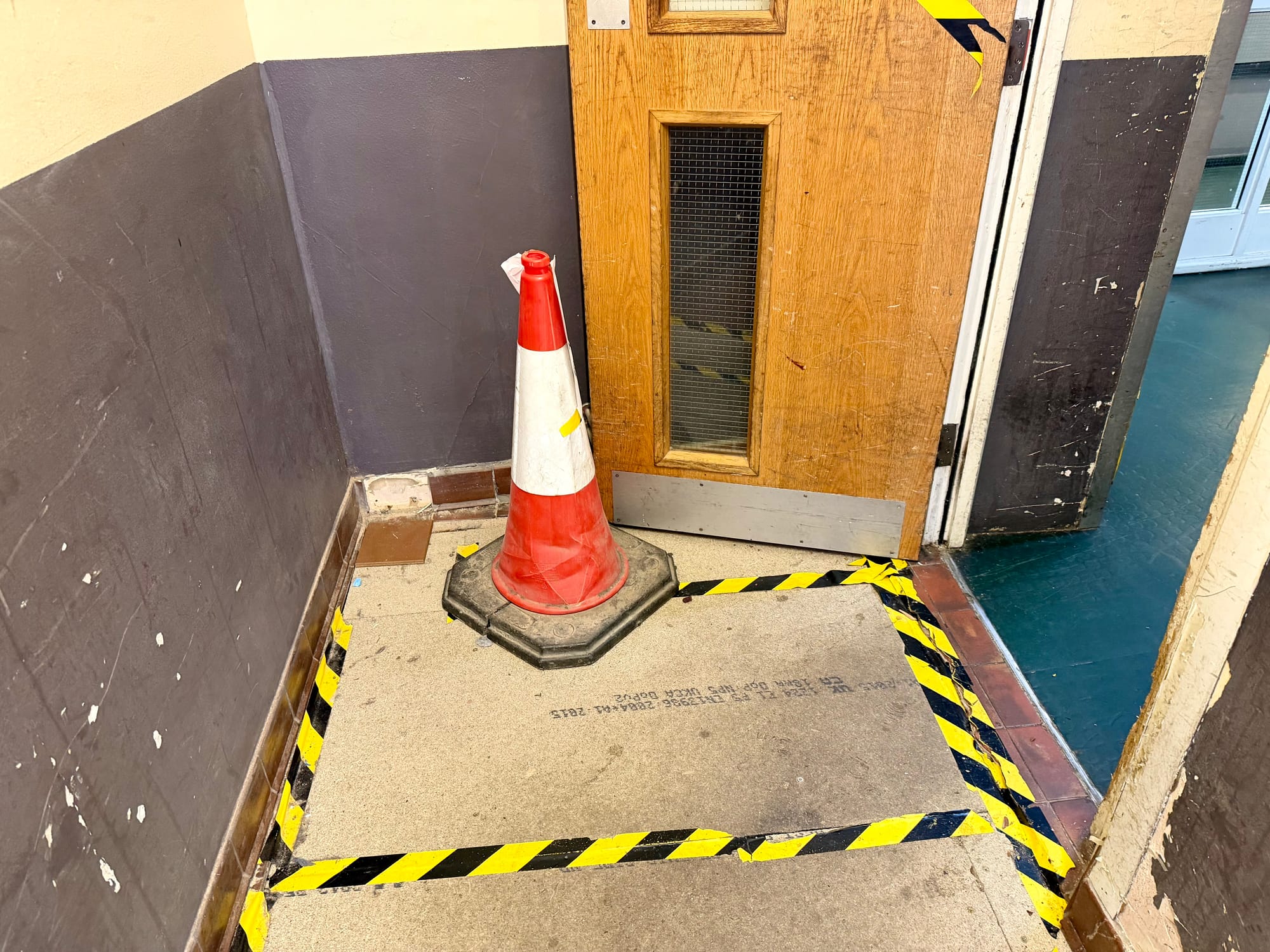
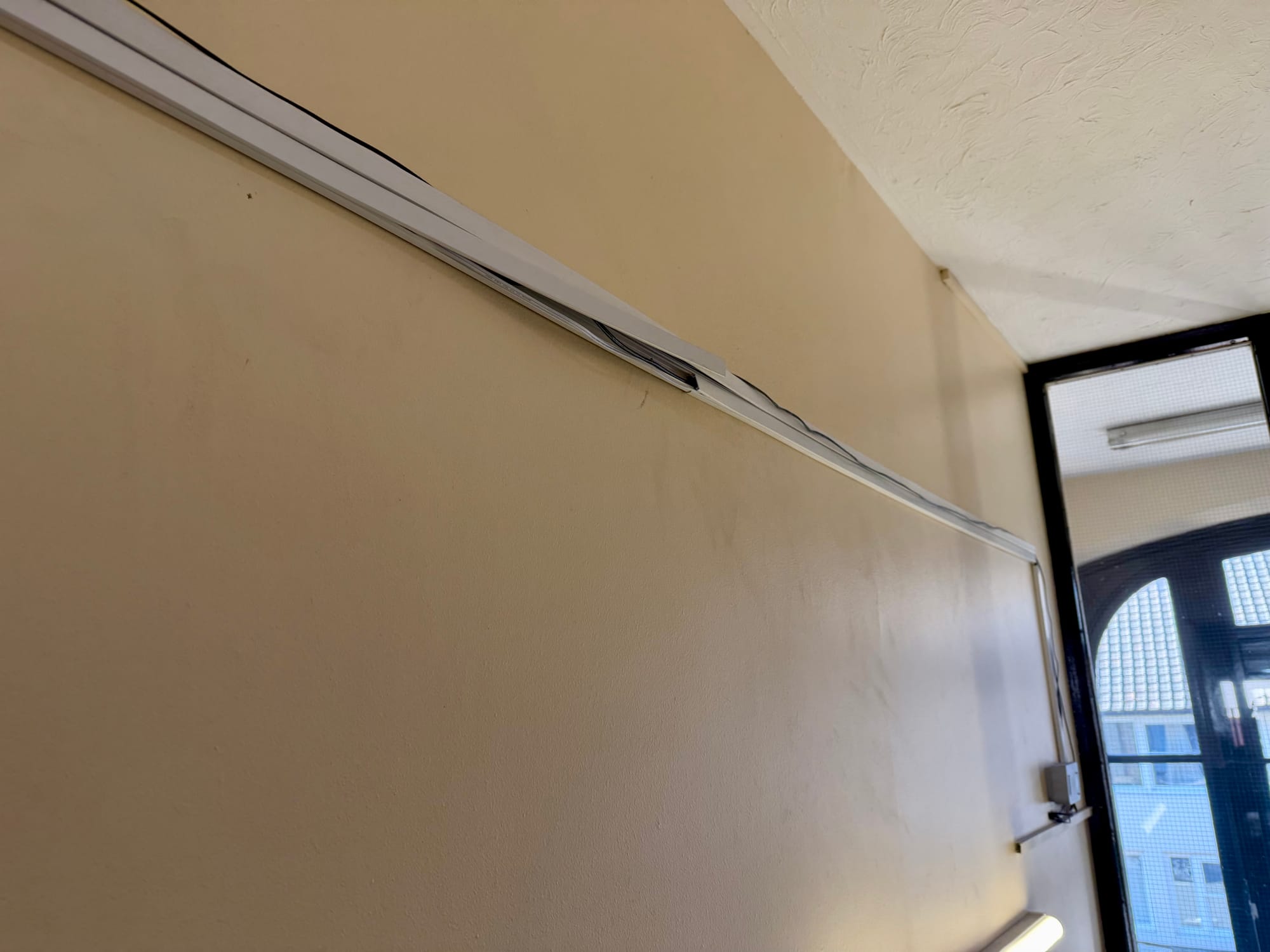
Much of the communal space in Pipers Court was in poor repair
Fire doors, including those on communal hallways, stairwells, and flat entrances, are essential safety features designed to contain smoke and flames. Propping them open with wedges, doorstops, or – ironically – fire extinguishers compromises the building's fire safety, poses a major safety hazard, and is generally illegal.
A £10,176 window cleaning bill
Window cleaning accounts for £10,176.40 of the service charge, but the roof skylights showed a significant buildup of moss, with no evidence of recent cleaning, and the exterior windows were covered in dirt, dust and cobwebs.
Window cleaning is typically charged at £10-£50 per flat, which means that the total bill would likely fall in the range of £1,030-£5,150 per clean – enough budget then for just under ten cleans per year at the lowest end of that range and two at the very upper limit. It's unclear how frequently the windows at Pipers Court are cleaned, but one resident we spoke to said they had yet to see them cleaned.
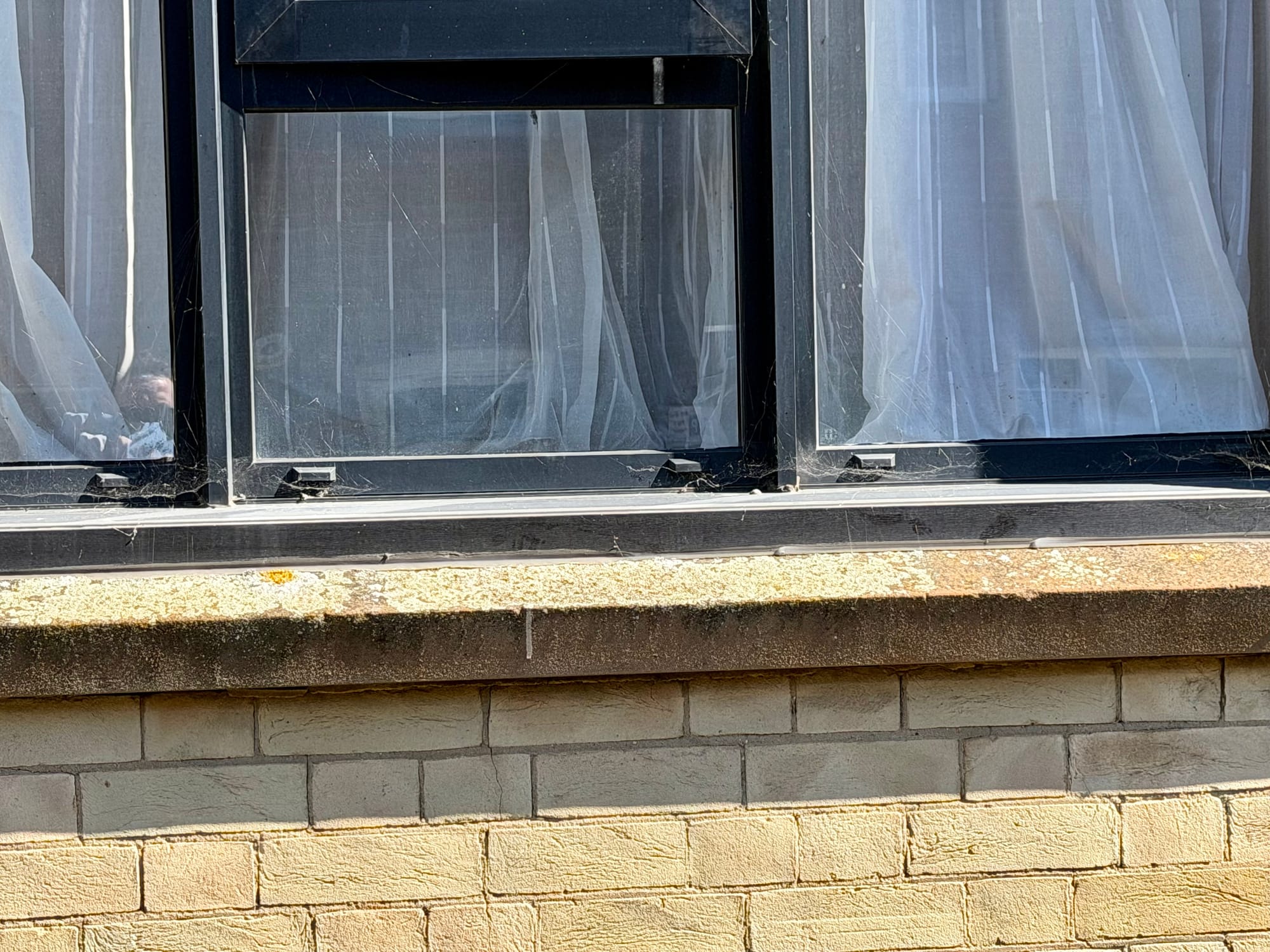
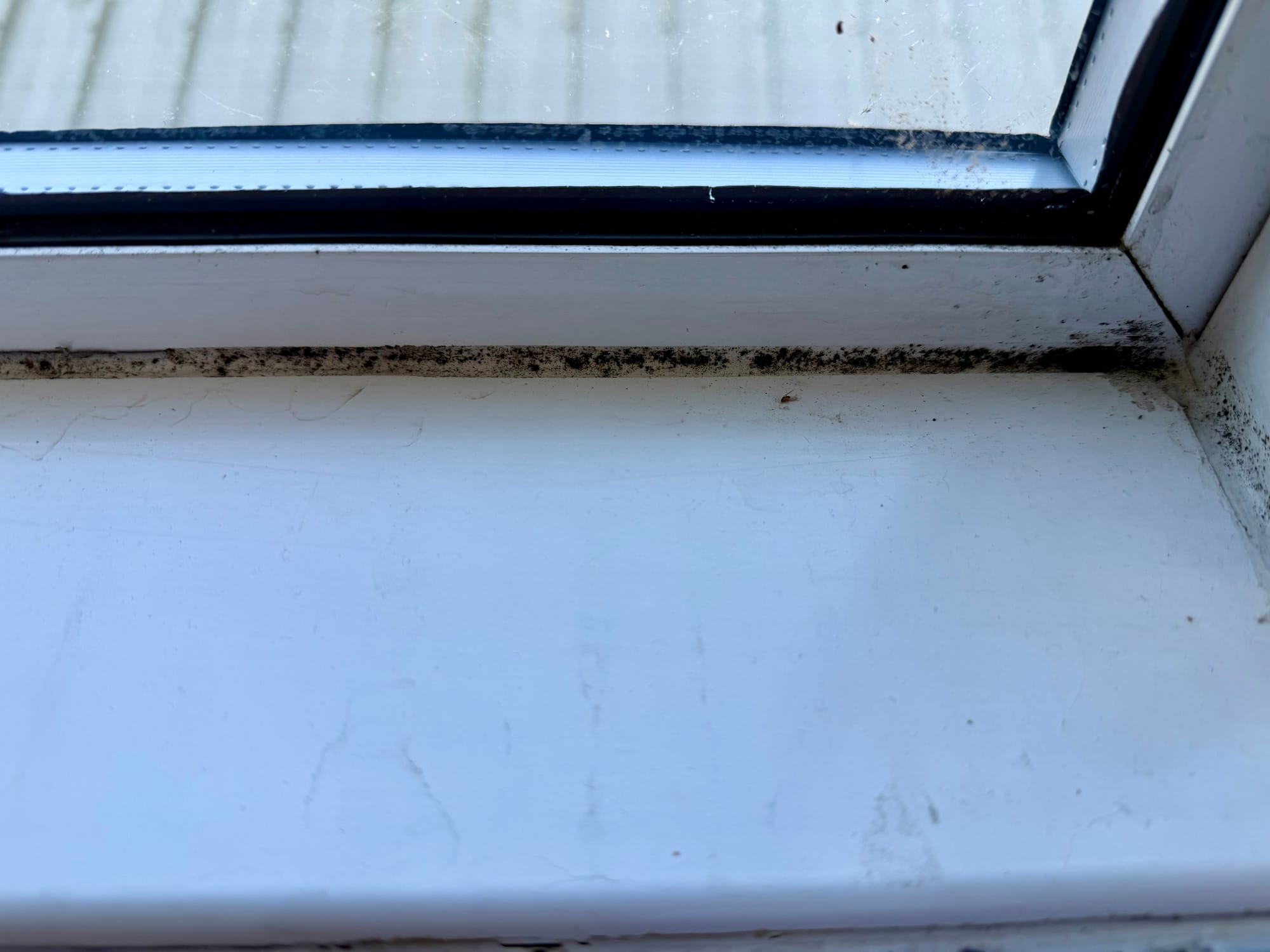
Windows appeared dirty from the outside of the building and mouldy from the inside
Water charges 'blatant overcharging of the benefits system'
Water rates are charged at £15,639.52 per year across the block. It's worth noting that this is only communal water usage, not water used by individual flats. The only communal uses of water we identified were the launderette, which has three machines, and, presumably, the taps used by cleaners and maintenance staff.
"For a building with no pool or gardens, this is mathematically equivalent to millions of litres of water, suggesting either massive undetected leaks or blatant overcharging of the benefits system," explained a resident, referring to the fact that many of the residents will be on Universal Basic Income.
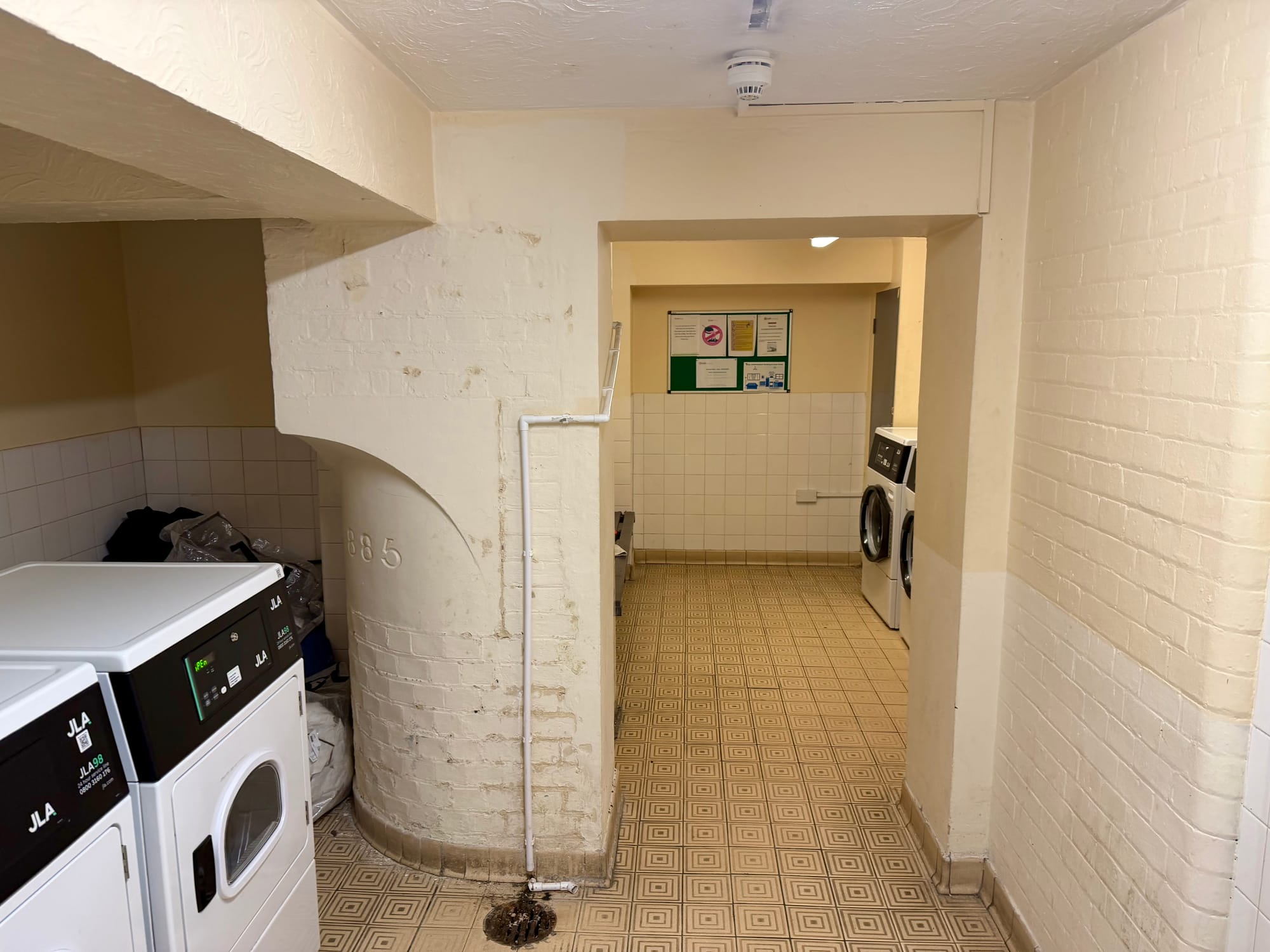
Small launderette water bills in the UK typically range from £600 to £2,400 per year, raising the question of why residents are being charged 7-26 times that.
One local example of a national issue
Nationally, the picture has been moving in one direction. The average annual service charge for a flat in England and Wales now stands at around £2,300 — an increase of 11% in recent years and a rise well above the rate of inflation. According to the Property Institute's 2024 Service Charge Index, costs for managed estates have risen by 41% over the past five years. Every region in England now reports average service charges above £2,000.
The charge at Pipers Court, then, sits below the current national average of around £2,300, but that national figure includes premium developments in London and other major cities where amenities can include swimming pools and concierge services, and costs are considerably higher. There are no swimming pools or concierge services at Pipers Court.
The issue has drawn government attention. Ministers have run a consultation on leaseholder service charges and are looking at strengthening residents' rights, with the draft Leasehold and Commonhold Reform Bill currently being scrutinised by MPs on the Housing Committee. A cap on ground rents could come into force as early as 2028, though critics argue the proposals do not go far enough.
How do the charges compare?
Determining whether a service charge is reasonable depends on more than the headline figure and is somewhat subjective. Buildings with concierge services, gyms, swimming pools or extensive landscaped grounds naturally carry higher costs. Pipers Court is a converted Victorian factory in central Ipswich with none of those amenities. It is the most basic of accommodations, and it is clear that little effort is made to improve the quality of life there.
At £1,946.42 per year per property, the charge at Pipers Court sits below the current national average of around £2,300. But that national figure includes premium developments in London and other major cities where costs are considerably higher.
Legally, all service charges must be "reasonable" — meaning costs must have been reasonably incurred and services delivered to a reasonable standard. For leaseholders, the First-tier Tribunal (Property Chamber) offers a formal route to challenge charges. For assured tenants — the more likely tenure at a social housing block such as Pipers Court — the routes available are different and more limited, and include raising concerns with the landlord directly or escalating to the Housing Ombudsman.
Who is Oak Housing?
Oak Housing Limited is a For Profit Registered Provider (FPRP) of social housing — a designation that sets it apart from the housing associations that have historically dominated the sector.
The company says it takes "a 'profit for purpose' approach" and that homes under its care "are safe, well managed and exceed the expectations of our customers."
Its most recent audited accounts, for the year ended 31 August 2024, record a turnover of £8.15m and a profit of £819,752, following a loss of £1.51m the year before. The company managed 769 units at that time. A customer satisfaction survey cited in the directors' report found that 63% of customers said they were satisfied with Oak as their landlord.
The accounts confirm that Oak Housing's immediate parent company is Acorn Affordable Housing Ltd. They also disclose that Pipers Court is part of a sale and leaseback arrangement entered into with CBRE Global Investment Fund in December 2019, under which the block is held on a 250-year headlease and simultaneously subleased back to Oak Housing.
Oak Housing was approached for comment on the service charges at Pipers Court. The company did not respond.
The bottom line
Service charges are rising across the country, and the question of whether residents – and the state – are receiving value for money is now being asked in Parliament as well as in blocks like Pipers Court. What we found on our visit — dirty hallways, mouldy windows, dumped rubbish and "cleaning in progress" signs in some of the building's most neglected corners — suggests that for the residents of this converted Victorian factory, that question is a fair one.
This article cost us ~£162 to produce
It's free for you to read thanks to the generous support of our partners. Please support us by supporting them. Alternatively, you can directly fund more journalism like this by becoming a member for just £4.75 per month. You'll get our best content delivered straight to your inbox before anyone else, and the option to discuss our reporting with our journalists.
Below the line