With 118 community amateur sports clubs across Suffolk, there's an untapped solar revolution waiting to happen on the rooftops above changing rooms, kitchens, and clubhouses throughout the county.
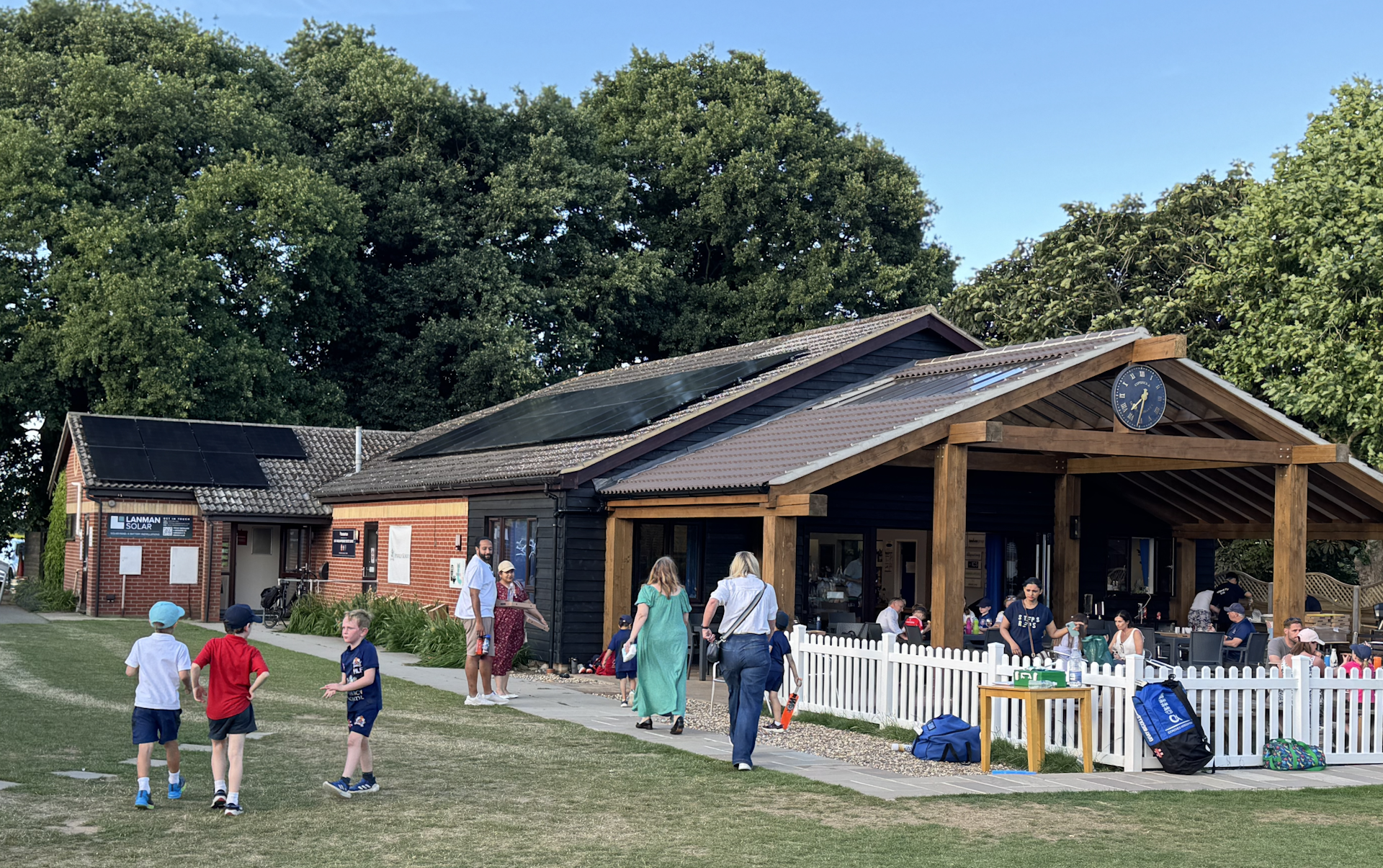
Martin Taylor knows this better than most. As a committee member at Copdock & Old Ipswichian Cricket Club, he's watched their energy transformation unfold in two phases – first halving their £4,500 annual electricity bill, then adding another £1,300 in projected savings with a second installation.
"Do it, you won't regret it," Martin says simply when asked what advice he'd give to other sports clubs considering solar. It's a sentiment born from experience, not sales patter.
From hesitation to expansion
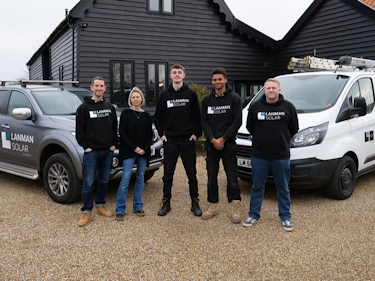
Like many amateur sports clubs, Copdock's initial hesitation wasn't about the technology or environmental benefits – it was about funding. "Most clubs are well aware of the long-term savings and green credentials solar will give them," explains Greg Newman, Director at The Lanman Group, which has installed rooftop solar for four Suffolk sports clubs with several more in the pipeline. "Funding is the main point of hesitation."
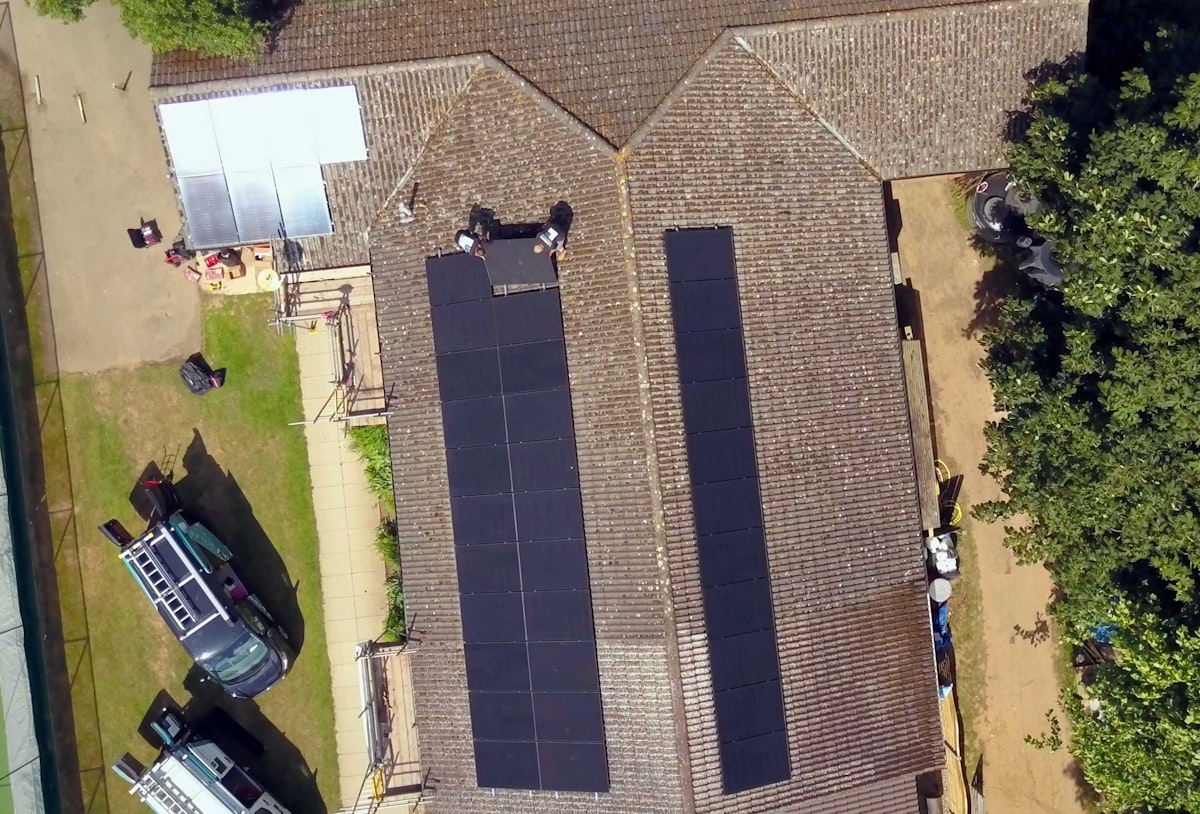
For Copdock, that hesitation proved temporary. The success of their first phase installation – 28 panels generating 11.5kWp with 11.6kWh of battery storage – built the confidence for phase two. "The success of phase 1 in halving our electric costs" was the primary driver for expansion, Martin explains, alongside "the ongoing growth of our hospitality business and the need to support this growth with sustainable energy use."
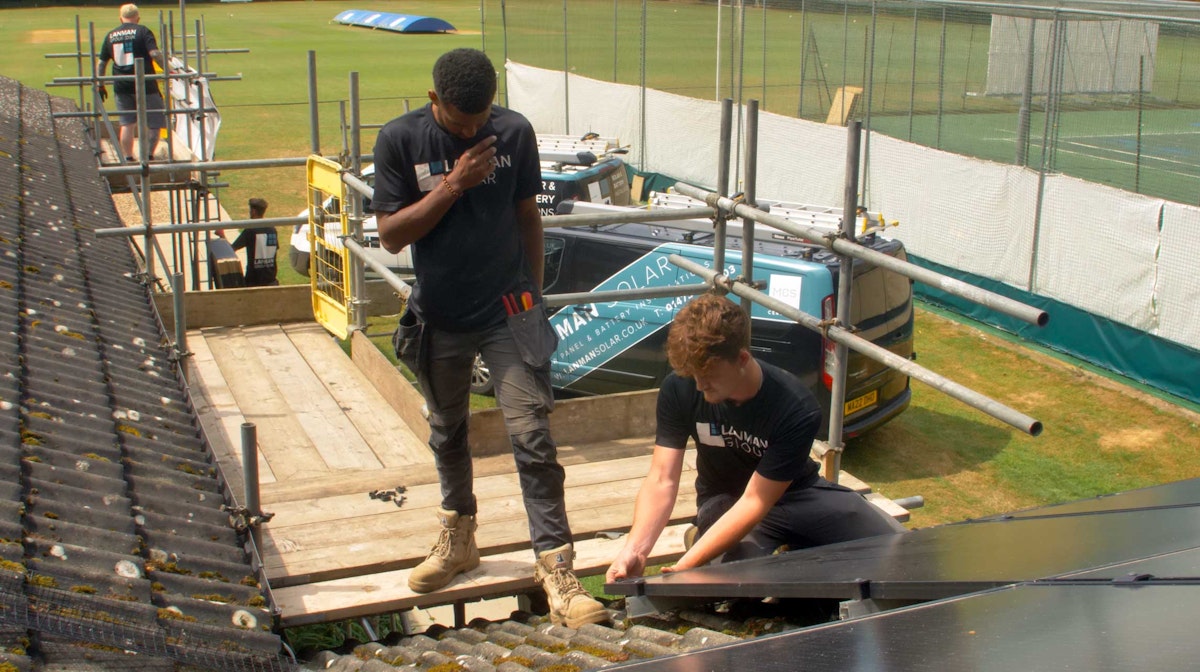
Phase two added 12 more panels and additional battery storage, creating a system that has generated 11.07 megawatt hours since installation.
Why sports clubs are perfect for solar
The match between amateur sports clubs and solar technology isn't immediately obvious, but dig deeper and the synergy becomes clear. "Daytime usage suits solar well," Newman notes, though he's quick to add a crucial caveat: "But many sports clubs use energy after the sun goes down, particularly in winter, which makes batteries a must for nearly all."
This evening usage – weekend matches under floodlights, post-game hospitality, midweek training sessions – initially seems like a challenge for solar adoption. In reality, it just creates the perfect business case for battery storage.
"If you're using power after dark and have a solar panel installation, your payback will be way better with battery storage," Newman explains. While unused daytime energy can be sold back to the grid, "it works out much better for the club if they can store the excess energy and use it themselves."
Copdock's phase two installation demonstrates this perfectly. The additional west-facing panels generated 556kWh in their first five weeks, while extra battery capacity allows the club to store more unused energy for peak-time use.
The numbers that matter
For committee members wrestling with investment decisions, the financial case is a strong one. While installation costs vary dramatically – from £4,000 for smaller systems upwards – payback periods can be as short as three years, depending on usage patterns.
Copdock's journey illustrates the potential. Their pre-solar annual bill of £4,500 dropped to roughly £2,250 after phase one. They project additional yearly savings of around £1,300 for the second phase of the project, bringing total projected annual savings to £3,550 – just 21% of their previous outlay.
The environmental benefits add another layer to the business case. Copdock's combined phases now offset 9.14 tonnes of CO2 annually – the cumulative environmental impact equivalent to planting 151 trees or saving 4.59 tonnes of coal.
Overcoming the funding hurdle
The good news for clubs is that funding support is increasingly available. "Lots of external funding support is available," Martin emphasises, pointing to backing from the ECB, Suffolk County Council, and newly announced Sport England initiatives.
ECB grants typically range from £1,000 to £10,000, providing significant support for clubs willing to navigate the application process. "[There is] great support from the ECB and Suffolk County Council for this type of project," Martin confirms. "Sport England has now just released a new funding stream to support as well."
The Lanman Group helps clubs develop their funding applications through free desktop surveys that provide all the essential details: payback periods, energy generation projections, savings calculations, and satellite imagery showing recommended panel locations. "This puts them in a position of knowledge and control and enables them to plan for finances," Newman explains.
From kitchens to floodlights
Understanding where clubs consume most energy helps prioritise both solar sizing and battery requirements. "Kitchens are very high usage," Newman notes. "Coolers can be too." At Copdock, Martin identifies the bar and kitchen as key energy users, typical of clubs where hospitality forms a crucial revenue stream.
Floodlights also need to be considered. While they can consume a lot of energy during evening training and matches, LEDs can provide a better and more efficient alternative.
The club is now exploring revenue opportunities through EV charging points, by offering customers the option to charge their vehicles for a small fee that is paid to the club. The model is perfect for lengthier sports like cricket.
Getting started
For clubs ready to explore their rooftop potential, the process begins with understanding rather than commitment. "We undertake a free desktop and on-site survey and design the system according to their energy usage and roof size," Newman explains. "They then know the cost and payback and can seek funding or raise money accordingly."
The timeline requires patience but delivers results. Martin recommends allowing "9 months from idea to installation" – time that includes committee decisions, funding applications, and the technical process. Once funding is secured, the Lanman Group says it can typically complete installations within a matter of weeks.
For clubs choosing their own installer, Newman emphasises the importance of key credentials and warns against making a decision based solely on price.
The installer should be MCS certified at the very least, use Tier 1 MCS-approved products, and have a workmanship warranty. Cheapest isn't always best for solar panel installations over the long term, as cheaper systems can cost more with downtime, replacements and ongoing issues.
Future-proofing the clubhouse
The solar opportunity extends beyond immediate bill reductions. Clubs installing systems now position themselves for future initiatives like removing mains gas or expanding facilities. Copdock's "desire to build future organic electric production" reflects this longer-term thinking.
Battery storage offers particular flexibility. While The Lanman Group recommends installing batteries alongside panels for cost efficiency, systems can be designed "battery-ready" for later expansion. "Once the funds are available, we literally just come and plug it in for you," Newman explains.
The bottom line
With funding support available and proven technology delivering measurable results, the question for Suffolk's 118 amateur sports clubs isn't whether rooftop solar makes sense – it's whether they can afford not to explore it.
Martin's advice to hesitant committees remains straightforward: "Talk to other clubs who have done the journey first." For Copdock, that journey transformed their energy costs, environmental impact, and long-term sustainability. Their clubhouse roof, once just a means of keeping the rain out, now generates clean energy and helps secure their financial future.
Every club has a clubhouse, every clubhouse has a roof – and increasingly, forward-thinking committees are realising that roof space represents their most underutilised asset.