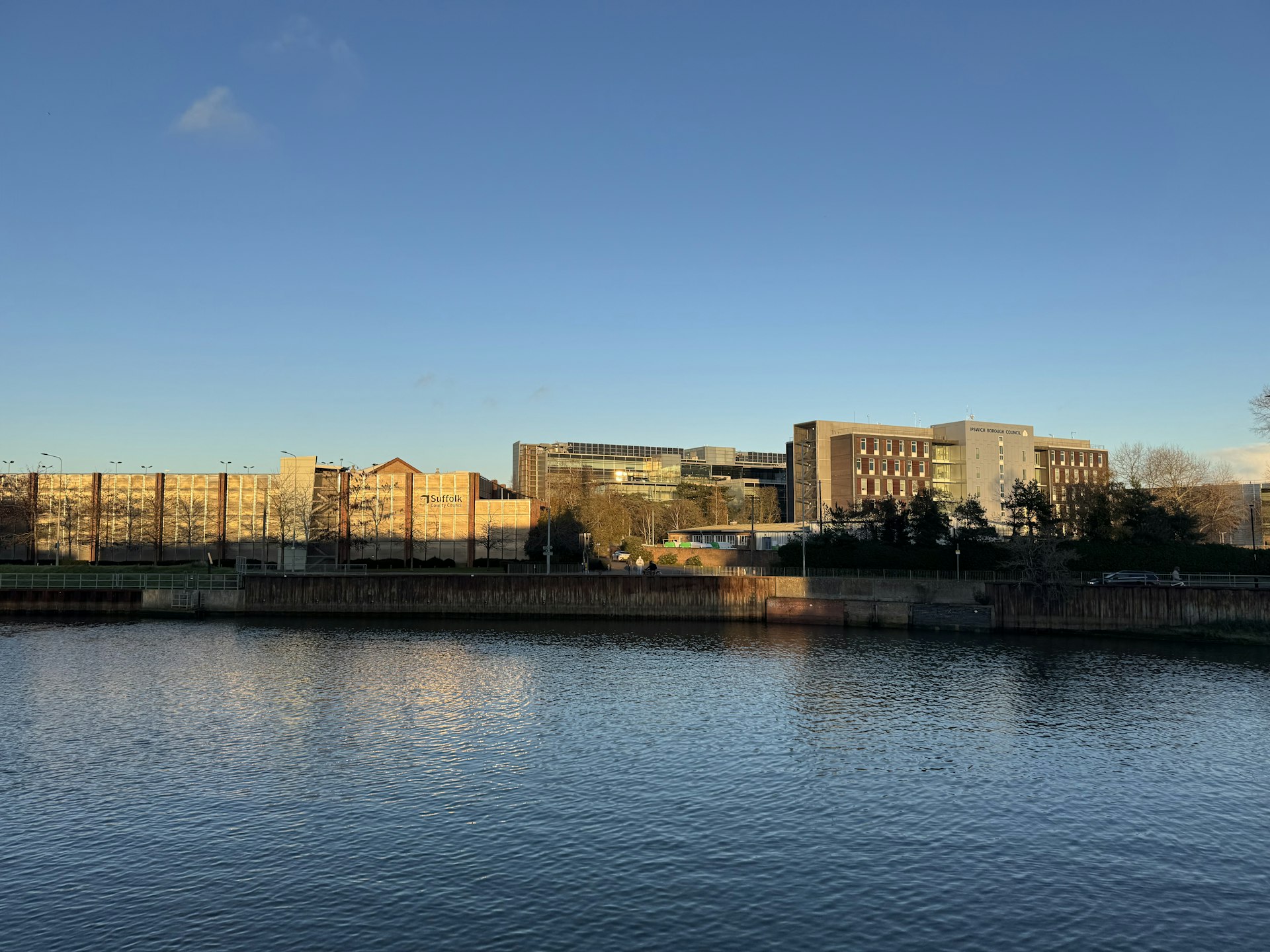
The decision by Local Government Secretary Steve Reed to postpone elections for both Suffolk County Council and Ipswich Borough Council has left thousands of residents without a vote, councillors serving extended terms without fresh mandates, and a community divided over whether this represents pragmatic governance or democratic betrayal.
For some, the language matters deeply. The Government insists the elections have been "postponed" – delayed until 2027 when voters will elect representatives to new unitary councils replacing the current system. Technically, this is accurate: there will be elections in 2027.
But critics argue that "cancelled" is the only honest description of what is happening. The councils voters were meant to vote for in May – Suffolk County Council and Ipswich Borough Council – will cease to exist before those 2027 elections take place. These specific authorities, with their current boundaries and responsibilities, will never face voters again. The 2027 elections will be for entirely new councils with different structures, different boundaries, and different remits.
"No they were cancelled and that's taking away our democracy," said one resident in response to the announcement. "Councillors are elected for a set amount of time."
The semantic debate reflects a deeper tension about what residents are actually losing. This wasn't just about a date change – it was about the last chance for communities to pass judgment on the administrations that have governed them, in some cases for years, before those councils are abolished entirely as part of the biggest shake-up of local government in decades.
Two councils, two approaches
The path to postponement revealed starkly different strategies between Suffolk's two affected authorities, both ultimately leading to the same outcome, but reflecting different calculations about political risk.
Ipswich Borough Council, under Labour leadership, voted on 14 January to formally request postponement. After a lengthy debate involving councillors from all three represented parties, the council resolved by majority to write to Minister Alison McGovern asking for the 7 May elections to be delayed.
The council's report outlined several concerns: a 14-week gap between March and June executive meetings due to pre-election restrictions, reduced capacity for borough councillors to participate in cross-party working groups developing new councils, the risk that Ipswich could be disadvantaged in negotiations compared with other Suffolk councils not facing elections, and officer capacity that would otherwise be required to deliver polling day.
Conducting an election for Ipswich alone costs around £294,000, according to the council, though some costs are shared when elections coincide with other polls. The council had already begun incurring costs in preparation for the 2026 poll.
Leader Cllr Neil MacDonald said after the Government's announcement: "I am pleased that the Minister has understood the need to prioritise the capacity required for local government reorganisation."
Suffolk County Council took a more cautious approach. At a cabinet meeting on 12 January, councillors voted to respond to the minister outlining capacity pressures which could impact delivery of local government reorganisation, but stopped short of requesting postponement outright.
The decision prompted criticism from opposition councillors, who accused the Conservative administration of giving the Government the "green light" to postpone democracy for a second time. County council elections had already been delayed from 2025, meaning councillors elected in 2021 for four-year terms would now serve until 2027 – a six-year term without facing voters.
Councillor Ian Fisher, the leader of the Conservative Group, called the decision to cancel the elections a ‘charade’. He said: “It was not unexpected, but I am disappointed – we are going against the will of the public. The elections should go ahead, this is a point of principle for me, rather than a party political position."
Councillor Andrew Stringer, the leader of the county’s main opposition group – made up of Green, Lib Dem and Independent councillors – echoed Fisher's views, saying: "We are not surprised, just disappointed. It is a fact that it was only members of our group who voted against sending the letter to trigger the latest election postponement."
Leader Cllr Matthew Hicks said after the Government's decision: "Suffolk County Council was asked to provide information to help ministers come to an informed decision, and we answered the question they set. Alongside delivering local government reorganisation, we will now continue to work hard for Suffolk residents."
Defenders of both councils' positions argue that the capacity concerns are genuine. Managing a major reorganisation whilst simultaneously running election campaigns, inducting new councillors, and maintaining normal council business would strain resources at a critical time. The risk of disruption to the reorganisation process, they contend, could ultimately harm residents more than a temporary delay to elections for councils that are being abolished anyway.
The admission that exposed party control
The controversy took an unexpected turn on the evening of Monday, 12 January, when Conservative county councillor Henry Lloyd made a remarkable admission to Stradbroke parish councillors that would expose the inner workings of party discipline at the county council.
Lloyd told the meeting he had voted down an opposition amendment supporting elections going ahead as planned, despite personally believing they should proceed, because the Conservative whip instructed him not to give an opinion on the elections.
"My opinion is the election should go ahead, my view is also that I see politics as a team game," Lloyd said. "Our group decided that the council shouldn't have an opinion on whether they [the elections] should or shouldn't go ahead. That was my decision at that point, whether I wanted to break from the group and break the whip and throw a tantrum in public about something that actually doesn't affect whether we have elections or not, or do I be a team player."
Lloyd's candour sparked accusations that councillors are failing to represent their residents. The opposition amendment at the 12 January meeting had proposed clear support for the elections going ahead as planned, but was turned down with 17 votes for, 39 against and four abstentions. All Conservative councillors present voted down the amendment, but none outside the administration's cabinet stood up to speak during the meeting.
Cllr Andrew Stringer, the leader of the main opposition group made up of Green, Lib Dem and Independent councillors, called the situation deeply worrying.
"If it becomes a straight shove between those I represent and some awkward views from my party, my community always wins – the first duty is to represent those who elect you," he said. "We are being told that we have a free and open debate when actually, what we are witnessing is theatre. The whole day felt Orwellian – 1984 was fiction, not a handbook."
The revelation opened a window into how party control operates at the county council. Cllr Philip Faircloth-Mutton, who until recently had been a Conservative cabinet member before defecting to Reform in September, said the Conservative leadership would often put pressure on backbench councillors to vote in certain ways during private meetings and even limit who could speak during meetings.
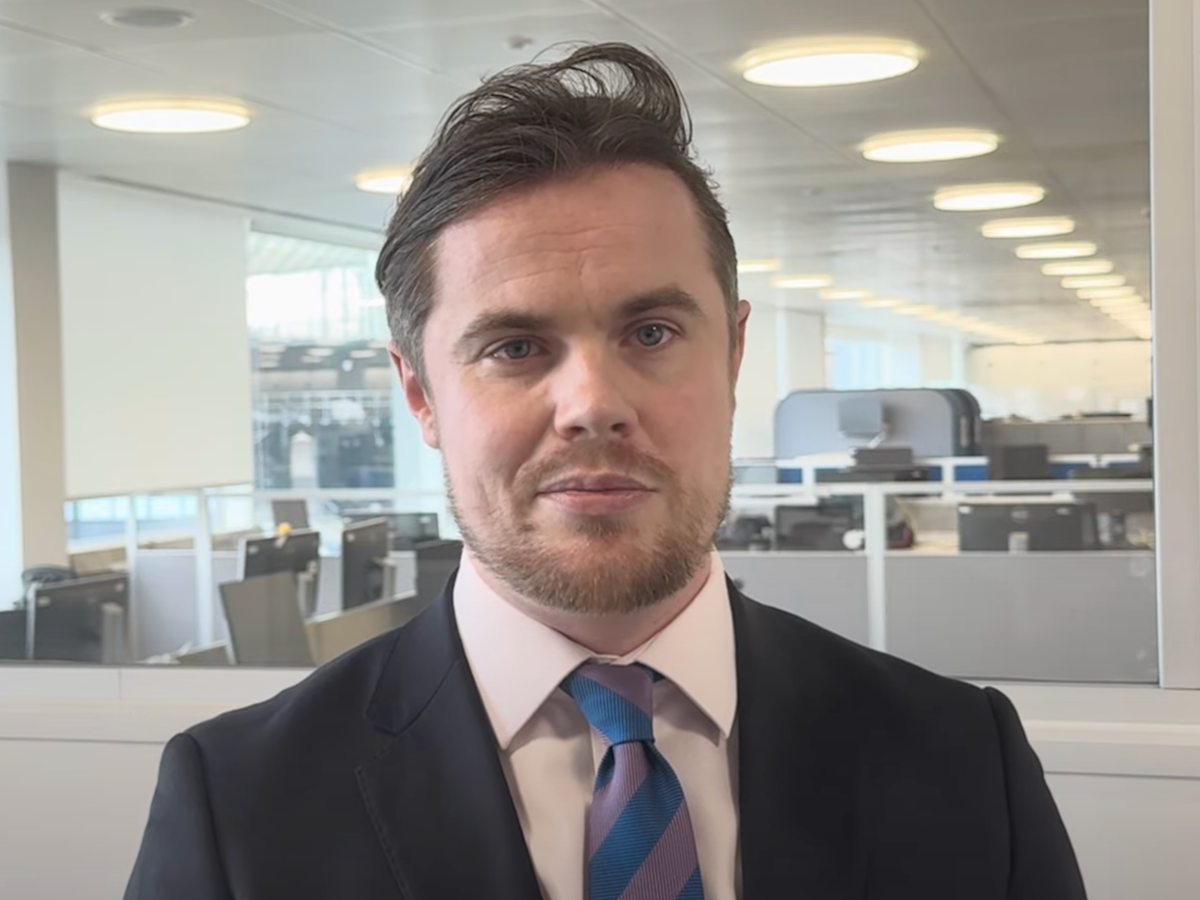
"There were many times when you'd go around the room, and it'd be on the basis of this person would speak and nobody else speaks on this matter, we need to get a [Conservative] Group line on this," he said. "It's deeply concerning for democracy and local residents that they've got Conservative representatives who are being bullied and pressured into not even speaking in the chamber. There's such a high degree of control in that Group."
Cllr Patti Mulcahy, whose defection to Reform was announced on 15 January, shared similar criticisms and experiences.
"Sometimes it was requested that only certain people speak, especially in response to motions put forward by the opposition," she said. "I think it was telling at the meeting that only the cabinet members spoke, and not a single backbencher."
Independent Cllr David Nettleton described the meeting as a "bizarre spectacle", adding: "Those who protest at this censorship are threatened with suspension if they persist in challenging the executive. Gradually, meetings become rallies in support of the ruling elite. Representation of the people fades into the background as democratic debate is stifled."
Lloyd and Conservative leader Matthew Hicks said they would not comment on internal group meetings and refused to provide any further details when asked by the BBC's Local Democracy Reporting Service.
Supporters of the party whip system argue that political parties need some level of coordination to govern effectively, and that voters elect parties as much as individuals. They contend that without party discipline, councils would struggle to implement coherent policies and manifesto commitments. However, critics maintain this comes at the cost of genuine local representation and democratic debate.
A nation divided
Suffolk was far from alone. When Steve Reed stood up in the House of Commons on 22 January, he confirmed that 29 English councils planning elections for May would now have these postponed, with a final application still under consideration.
Of the 136 local elections originally scheduled for May across England, 63 were eligible to request postponement due to local government reorganisation. Up to 30 have now been delayed.
Reed told MPs he had listened "carefully" to 350 representations about whether elections should go ahead. "In all other areas, council elections will go ahead as planned, many having offered no evidence that it would delay reorganisation in their areas," he said. "This means, of the 136 local elections across England that were scheduled for May, the vast majority will go ahead as planned."
The delays were needed to tackle duplication across local government, Reed argued, accusing the Conservatives of having "sat back and ignored this problem" for the last 14 years. He said the aim was to save "tens of millions of pounds" of taxpayer money currently being wasted by some citizens having to shell out for "two sets of councillors, two sets of chief executives, and two sets of financial directors".
"We must move at pace to remove the confusion and waste of doubled-up bureaucracy," he said. "No-one would ever design a system where one council collects your rubbish but another gets rid of it."
The decision drew sharp criticism from opposition parties. Liberal Democrat leader Ed Davey claimed Labour was "running scared of the electorate" and "denying millions of people a voice at May's local elections". He called for a change in the law so MPs can vote on any future election delays.
Conservative shadow minister James Cleverly attacked Labour for "moving seamlessly from arrogance to incompetence and now cowardice", calling elections the cornerstone of democracy.
Reform UK MP Robert Jenrick claimed delaying local council elections for a second year is "almost certainly illegal". Notably, in his previous role as communities secretary, Jenrick had himself delayed local elections in areas undergoing reorganisation, including in Cumbria, Somerset and North Yorkshire in 2021.
Reed quoted a statement Jenrick gave in 2021: "Elections in such circumstances risk confusing voters and would be hard to justify where members could be elected to serve shortened terms."
The Electoral Commission, which oversees elections in the UK, said delays to council elections in England risk "damaging public confidence" and it did not think "capacity constraints are a legitimate reason for delaying long-planned elections".
Reform UK is bringing legal action against the decision, with a hearing scheduled for 19 February that could potentially overturn the postponement.
Public opinion: From outrage to pragmatism
The reaction from Ipswich residents revealed a community grappling with competing values and deep divisions over what matters most in local democracy.
For many, the decision represented an unacceptable assault on democratic rights. "We need to protest, plain and simple. Let them know we're not pleased," said one. Another called it "taking my human right away to a free democratic vote", questioning whether councils could be challenged legally. Several suggested withholding council tax in protest, with one resident declaring: "No choice given = No Council tax!" This isn't advised.
The language of the decision itself became a battleground. Multiple residents insisted on calling it a "cancellation" rather than a postponement. "Disgraceful. We are being disenfranchised," said one. "It is our right to vote in our preferred party," added another, emphasising the loss of choice.
Some saw darker implications. "Corruption at its finest," said one commenter. Another called it "dictatorship", whilst a third warned: "They start with local elections before you know it, no elections."
The importance of local democracy resonated strongly with many. "Local elections are the ones that matter, where your voice has weight, where the outcome of the election has a real effect on your day-to-day life," one resident said. "They are FAR more important in the real world than the empty dog-and-pony show in London. The fact that the local elections are canceled because they're not convenient to the powers that be is the clearest sign that 'democracy' is truly dead."
Others feared the precedent being set. "Changing boundaries should be done at a time when elections are not held," one argued. "This can go on indefinitely and no elections will be held till 2030."
But not everyone shared the outrage. Some residents took a more pragmatic view, seeing the postponement as a sensible response to practical challenges rather than a democratic crisis.
"It's to do with unifying councils to save money," said one resident.
Another questioned the criticism: "If the council ran the elections, they'd be crying that they were a waste of money as they relate to councils that will be abolished shortly after."
For these residents, the decision represents common sense rather than democratic betrayal. They argue that spending hundreds of thousands of pounds to elect councillors who will serve for less than two years before their councils are abolished makes little practical or financial sense. Resources saved from not holding elections, they contend, can be better spent on services or on managing the complex transition to unitary authorities. The reorganisation itself, they suggest, will ultimately deliver better local government by eliminating duplication and confusion.
Postponed or cancelled?
The debate over "postponed" versus "cancelled" itself revealed differing perspectives on what was being lost.
Those defending the decision pointed out that elections would happen in 2027 for the new unitary councils, and that holding elections now would mean some councillors serving very short terms before reorganisation. Those criticising it argued that the specific councils people wanted to judge would never face voters again, and that extended terms without a fresh mandate undermined democratic accountability.
Some residents focused on practical concerns about the reorganisation process itself. "If these councillors can't sort out the mess they created, which by the way no one was consulted on, why should we give these people any more time or trust?" one asked.
Others saw it through a partisan lens, with accusations flying in multiple directions about which parties stood to gain or lose from the decision.
The variety of responses – from democratic outrage to pragmatic acceptance, from calls for protest to defences of efficiency, from concerns about precedent to arguments about waste – illustrates how the same decision can mean fundamentally different things to different people, shaped by their values, political allegiances, and views on what local government should be. What unites both sides is a desire for good local governance, but they differ profoundly on whether postponement advanced or undermined that goal.
Tim Miller, managing director of Ipswich based communications agency PLMR Genesis, commented: “It’s always going to be difficult politically when elections are postponed, and it’s understandable local people have concerns. It’s a significant decision and the government would have been aware of the potential reaction."
OpinionThe rationale for this local government reform is to reduce bureaucracy and administration costs which, over the long term, should help redirect resources towards improving local services. We have so much to be proud of here in the region but there are challenges, particularly around infrastructure, which requires sustained investment. We have to think long term if we are serious about making genuine improvements.
What happens next
The immediate timeline is clear. Elections to the new unitary councils are expected to take place in May 2027, with the new councils going live on 1 April 2028. All councils in Suffolk are awaiting the Secretary of State's decision on the future of local government in the county, expected to be announced in March 2026.
The government received proposals from all 20 remaining areas invited to submit plans for local government reorganisation. A consultation on 17 of those proposals from six invitation areas is currently open, with the government expected to launch a consultation in early February on the remaining 14 areas.
But the legal challenge adds uncertainty. Reform UK's court case is scheduled for 19 February, and if successful, could potentially overturn the postponement. However, with that hearing coming less than three months before the scheduled election date, the practical question becomes whether it would even be possible to organise elections in May at this late stage.
For Ipswich Borough Council, if the minister's approval stands, the council's annual meeting will be moved to 13 May 2026, with additional executive meetings scheduled for 7 April and 5 May 2026.
For councillors, the extended terms mean serving without fresh mandates for substantial periods. County councillors elected in 2021 for four-year terms will now serve until 2027 – six years in total. Borough councillors facing re-election in May would normally serve four-year terms but will now also serve extended terms until the new unitary councils are established.
The Ipswich Green Party captured the frustration many feel about this extended tenure: "The voters of Ipswich are being denied their last chance to give their verdict on the performance of the Ipswich Borough Council and Suffolk County Council. Some current borough councillors will have an extra two years, and county councillors three years, in position without a democratic mandate. Councillors should always face the electorate, however difficult or uncomfortable it may be. Democracy deferred is democracy denied."
Speaking about the wider implications for Labour, Tim Miller said: “It’s no secret that Labour is struggling in the polls at the moment and PLMR’s own quarterly surveys show Reform is gaining ground in the East. However, a general election is still three years away and a lot can change in that time. The government will be aware of the challenge and the need for people to feel genuinely better off to win voters back.”
The bottom line
Suffolk's cancelled – or postponed, depending on your perspective – elections have become more than just a local government story. They have exposed fault lines in how we think about democratic representation, revealed the tension between party discipline and individual conscience, and forced uncomfortable questions about whether the system serves the people or the people serve the system.
With a court case looming and residents divided, the controversy is far from over – but for thousands of Ipswich voters, the chance to have their say on the councils that govern them has already been lost.