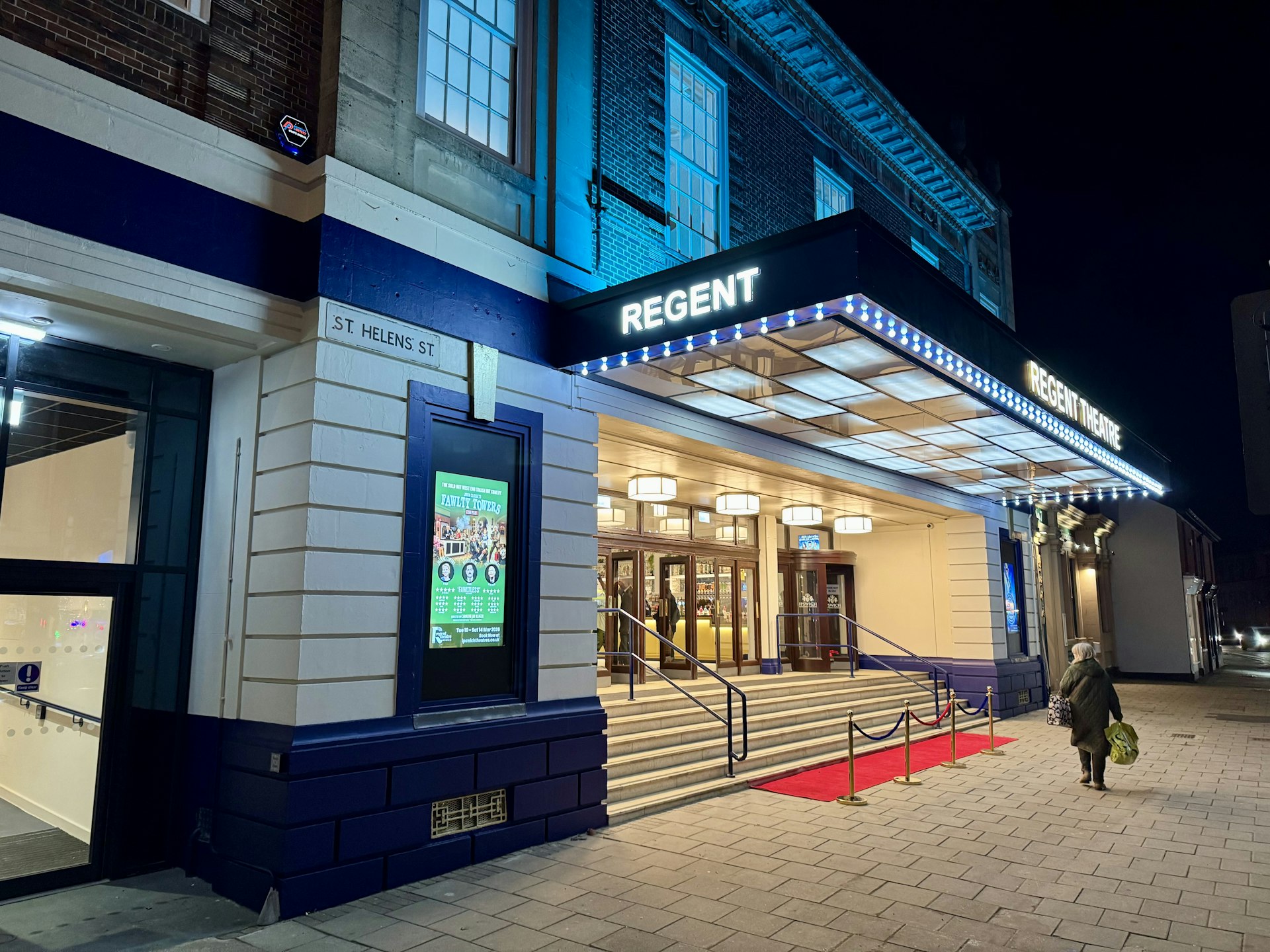
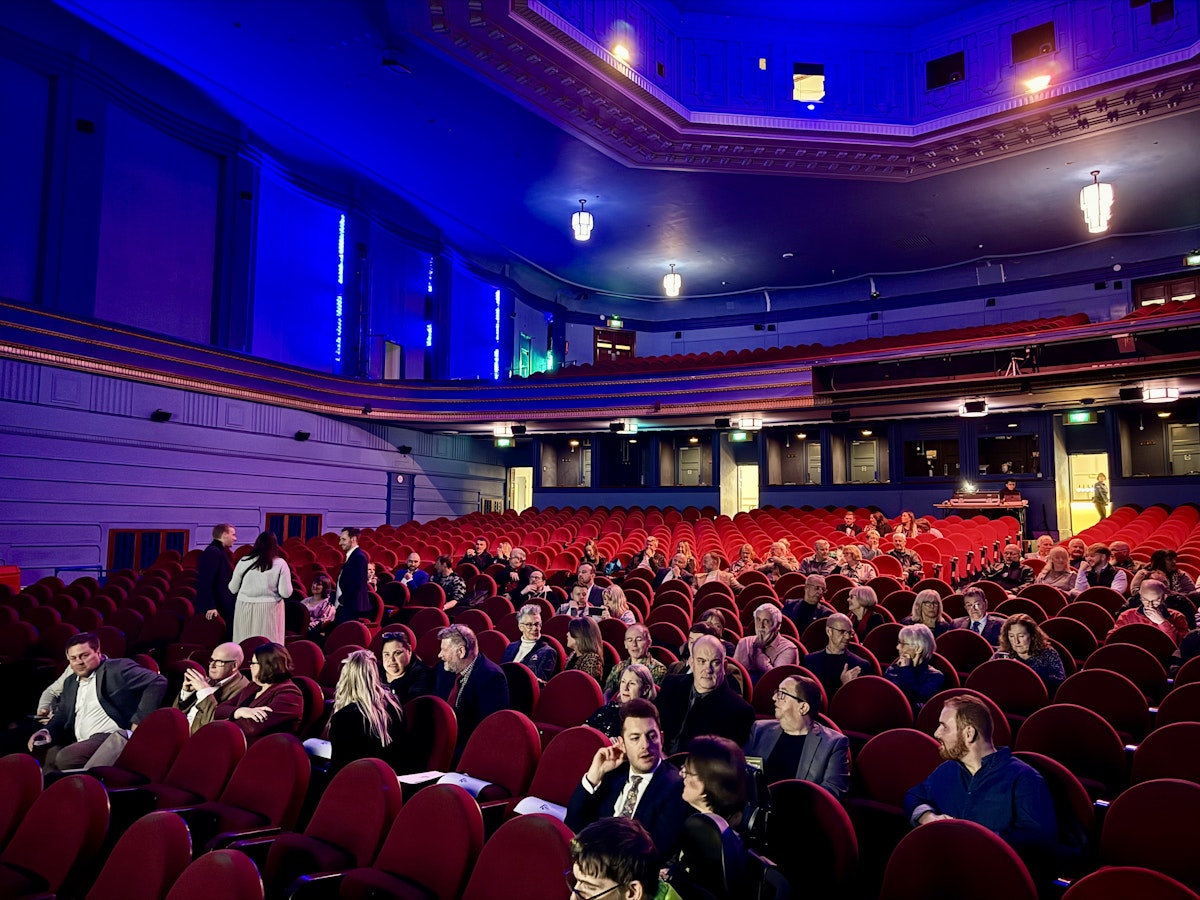
On the same day that Ipswich's business, education, cultural and political leaders gathered at the New Wolsey Theatre to launch the town's ambitious City of Culture 2029 bid, hundreds flocked just down the road to preview the stunning transformation of the Regent Theatre. The timing was coincidental, but the symbolism was perfect.
A town that punches above its weight
Few towns of Ipswich's size can boast such cultural infrastructure. The Regent, East Anglia's largest theatre, welcomes more than 190,000 visitors annually through its doors. Next year alone, the venue will host household names including Russell Howard, Mo Gilligan, Al Murray, Josh Widdicombe, Chris McCausland, Harry Enfield and Tom Davis.
It's the kind of line-up that would make larger cities envious, yet Ipswich's cultural offering often goes under-appreciated.
"I think this is the jewel in the crown of our cultural offering that we have," said Neil MacDonald, leader of Ipswich Borough Council, speaking at the Regent's opening. "We have so much culture, so much entertainment, that we really deserve to be the City of Culture."
From dingy space to destination
The transformation of the Regent is nothing short of remarkable.
Perhaps the most striking transformation is the accessible entrance. What was once a "dingy" corridor that kept visitors open to the elements is now a warm, welcoming gateway featuring a Wall of Fame showcasing 60 years of legendary performers.
"The transformation of this area is probably the greatest improvement from the existing to proposed," said Stuart Edgar, director at Ipswich-based architects KLH, who started the redesign process back in 2018. The ramp was originally designed in a previous era to allow "lower classes to access the rear of the stalls while being kept separate from the upper class." Thankfully, that segregation is long-gone, replaced by contemporary doors and a space that celebrates the theatre's rich history.
Inside, the changes are equally impressive.
The false ceilings and partitions that "really reduced the space" in the Crush Hall have been removed, restored it to its original grandeur. The ceiling has been carefully reinstated using patterns taken from surviving original sections, with lighting upgraded to "warm feeling fittings."
The nearly 20-metre-long bar has been designed not just for faster interval service, but as a space where people will want to spend time before and after shows.
Upstairs, the Circle Lounge has also been completely transformed. Once used variously as a restaurant, dance hall, and cinema, it now features a new bar and seating area that takes full advantage of the space's atmosphere. Live piano music plays as theatregoers chat amongst friends and family, and for the first time in the building's history, a lift provides access to those unable to use the stairs.
Anyone familiar with the theatre will be accustomed long queues for horrible toilets. Not anymore. A new modern extension has tripled the capacity of ladies' toilets, with upgraded gents' facilities and new accessible toilets including a changing places facility.
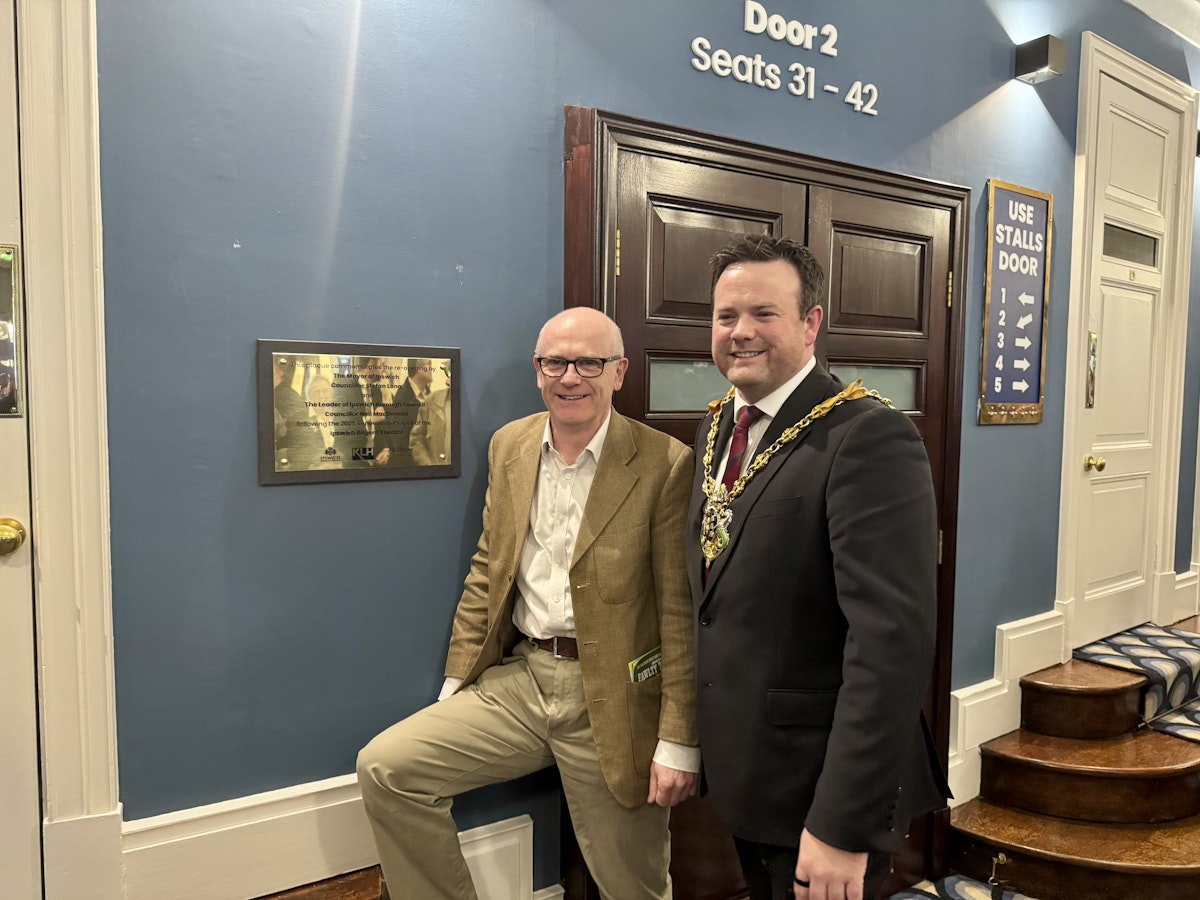
Mayor Stefan Long captured the impact succinctly: "I've been to plenty of events here over the years and walking in just now when you look around, it's got a new car smell. It feels like a brand new venue with the old original features."
Funded by theatregoers, for theatregoers
"It's important to emphasise that this was funded by ticket sales, not by council taxpayers," MacDonald stressed. "I think that's an important thing to see."
The Regent introduced a £1.50 levy on all tickets costing more than £10, meaning the refurbishment was paid for by and for theatre customers themselves. This is a regeneration project that has been funded by those who already understand the value of the arts and entertainment to this town's culture, and will now benefit everyone for many years to come.
Sustainability meets heritage
While preserving the building's Art Deco charm, the project has also modernised behind the scenes. Water-efficient fittings, improved insulation, and modern heating and cooling systems make the building more sustainable. The theatre rig is now fully LED, making it one of the greenest performance spaces in the country.
The exterior has been refreshed with an Art Deco-inspired façade and canopy, complete with reinstated 1929-style lighting. The new LED perimeter lighting can be customised to suit different performances, bringing the excitement out into the street.
Local team, tight deadlines
The project was delivered by local contractor Mixbrow Construction, who faced a punishing deadline. Darren Webb, managing director, recalled that at the pre-contract meeting "there wasn't an air of confidence from anyone" that the project could be completed on time to the required standard. The damages clause gave them around 24-25 days' leeway. "It was probably cheaper for us to buy all the tickets than pay if we were late," he joked.
"As a local contractor, it has been a privilege for us to work on this Grade II listed building in the heart of our own town," Webb said. "We should be collectively proud of the level of quality achieved whilst meeting an extremely tight programme."
His message to the council was clear: "This is what the council should be doing – employing local people, employing local contractors. Everybody can do the same job, but stay local."
Perfect timing for 2029
The transformation prepares the Regent perfectly for what could be a landmark year. The theatre will celebrate its 100th birthday in 2029 – the same year Ipswich hopes to be named UK City of Culture.
"The Regent is going to be a hundred in 2029," MacDonald noted. "And we will hope to be City of Culture in 2029. So what better way to celebrate the 100th birthday of this wonderful building than to be the capital of culture in the UK."
The grand reopening takes place on Friday, 12 December, when the festive pantomime Cinderella takes to the stage. Rising local star Lucy Roper plays Cinderella alongside Lee Brennan (911) as Prince Charming, Noel Sullivan (Hear'Say) as Dandini, Francine Lewis as the Fairy Godmother and Mike "Squeaky" McClean as Buttons.
A time capsule for the future
To mark this milestone, the theatre team sealed a time capsule filled with historic items spanning the 96 years since the building became a theatre. It includes a USB memory stick with 620 archive images and newspaper articles, along with printed copies of significant memorabilia including the original brochure from opening night in 1929 and a newspaper from 4 November 1959, marking the Regent's 30th birthday.
Councillor Jane Riley, Ipswich Borough Council portfolio holder for culture and customers, said: "This was a special opportunity to capture the spirit of the Ipswich Regent Theatre and its place in the heart of Ipswich through the years. Thank you to everyone who gave suggestions for meaningful items that reflected their personal memories."
The bottom line
The timing was coincidental, but that doesn't detract from the message. Ipswich boasts two landmark theatres drawing world-class talent, a community that invests in cultural excellence, and the ambition to prove itself on the national stage.
The Regent's transformation – funded by the very people who use it, built by local hands, and ready for its centenary year in 2029 – embodies everything the City of Culture bid represents. Mark Ashton urged the town to "celebrate all the amazing things happening." The Regent's reopening is precisely the kind of thing worth celebrating.