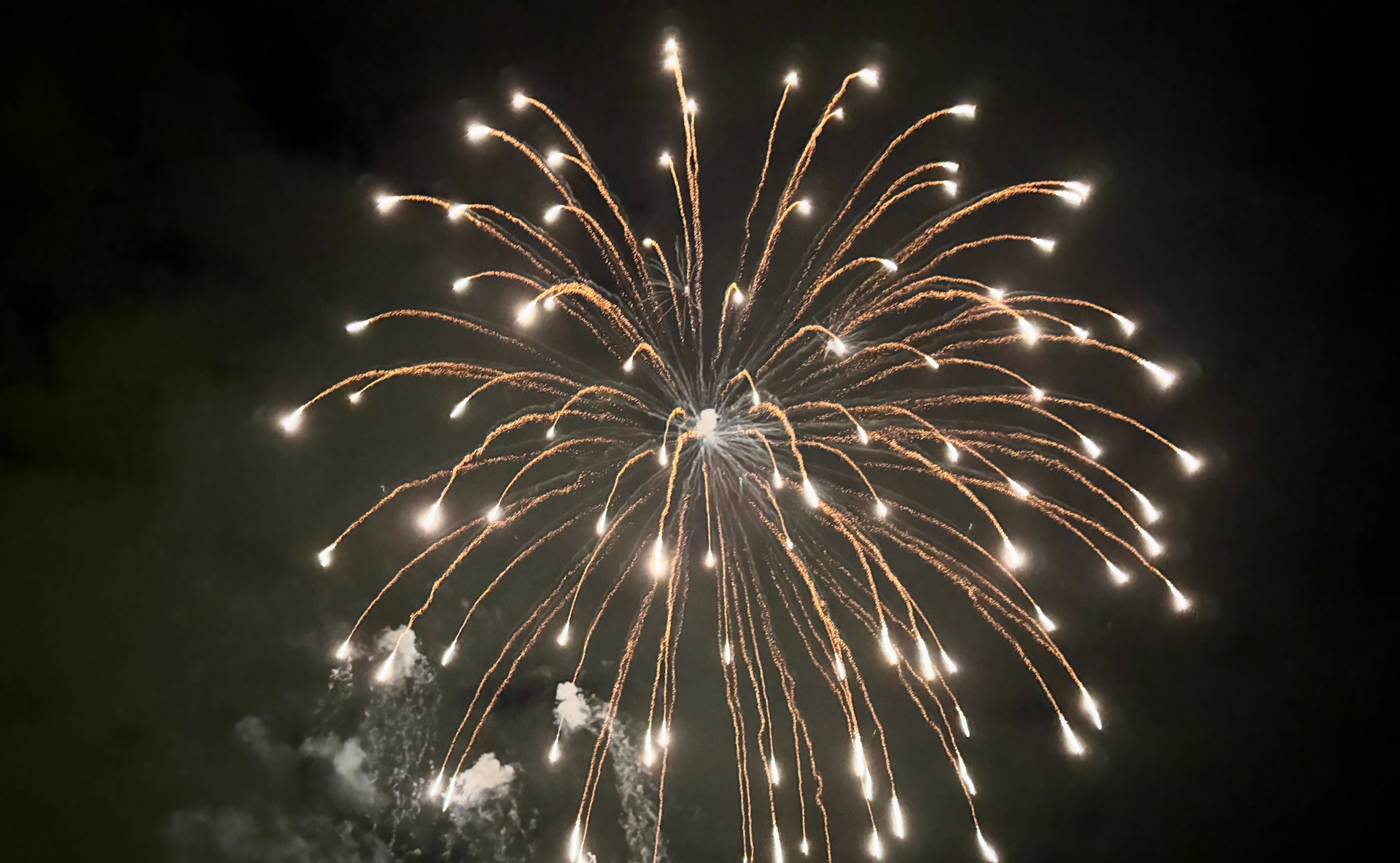
Why it matters: The petition, which attracted 126,310 signatures nationally, reflects concerns about the impact of fireworks noise on vulnerable people, pets, livestock and wildlife, particularly around Bonfire Night.
The details: Suffolk signatures included 199 from the Ipswich constituency, 270 from Central Suffolk and North Ipswich, 269 from South Suffolk, 287 from West Suffolk, 252 from Bury St Edmunds and Stowmarket and 245 from Suffolk Coastal.
The petition argued that both humans and animals are less likely to be distressed by fireworks noise below 90 decibels, citing research showing that over half of dog owners report fireworks anxiety in their pets and an 81% increase in missing dogs around Bonfire Night.
What the government is saying: The Department for Business and Trade responded on 23 October, confirming it would not reduce the 120 decibel limit but acknowledged "some people have strong feelings about fireworks" and the potential impact on communities.
The government said it has launched a fireworks campaign for this season to provide guidance on minimising impacts on animal welfare and encouraging responsible use, including promoting lower noise fireworks.
"The Government's intention is to minimise the negative impact of fireworks and to support their considerate use, reducing the risks and disturbances to individuals, animals, and property," the response stated.
For context: Current regulations set a maximum noise level of 120 decibels for consumer fireworks, though many retailers offer lower noise and "no bang" alternatives. According to the Office for Product Safety and Standards, fireworks that reach noise levels of 120 decibels are comparable to thunderclaps and police sirens, with the World Health Organisation recommending children should not be exposed to more than 120 decibels of peak noise pressure.
The same research found the noise threshold expected to cause a behavioural response in cattle is 85 to 90 decibels. The Welfare of Farm Animals Regulations state pigs should not be exposed to noise levels above 85 decibels.
What happens next: The Petitions Committee requested a revised response from the government after determining the initial response did not directly address the petition's request. The government has confirmed it will continue to engage with businesses, consumer groups and charities to gather evidence on the issues and impacts of fireworks to inform any future action.
The bottom line: Despite some public support for reducing fireworks noise limits, the government has opted to promote voluntary use of quieter alternatives rather than implement stricter regulations, leaving the decision in the hands of consumers and event organisers.