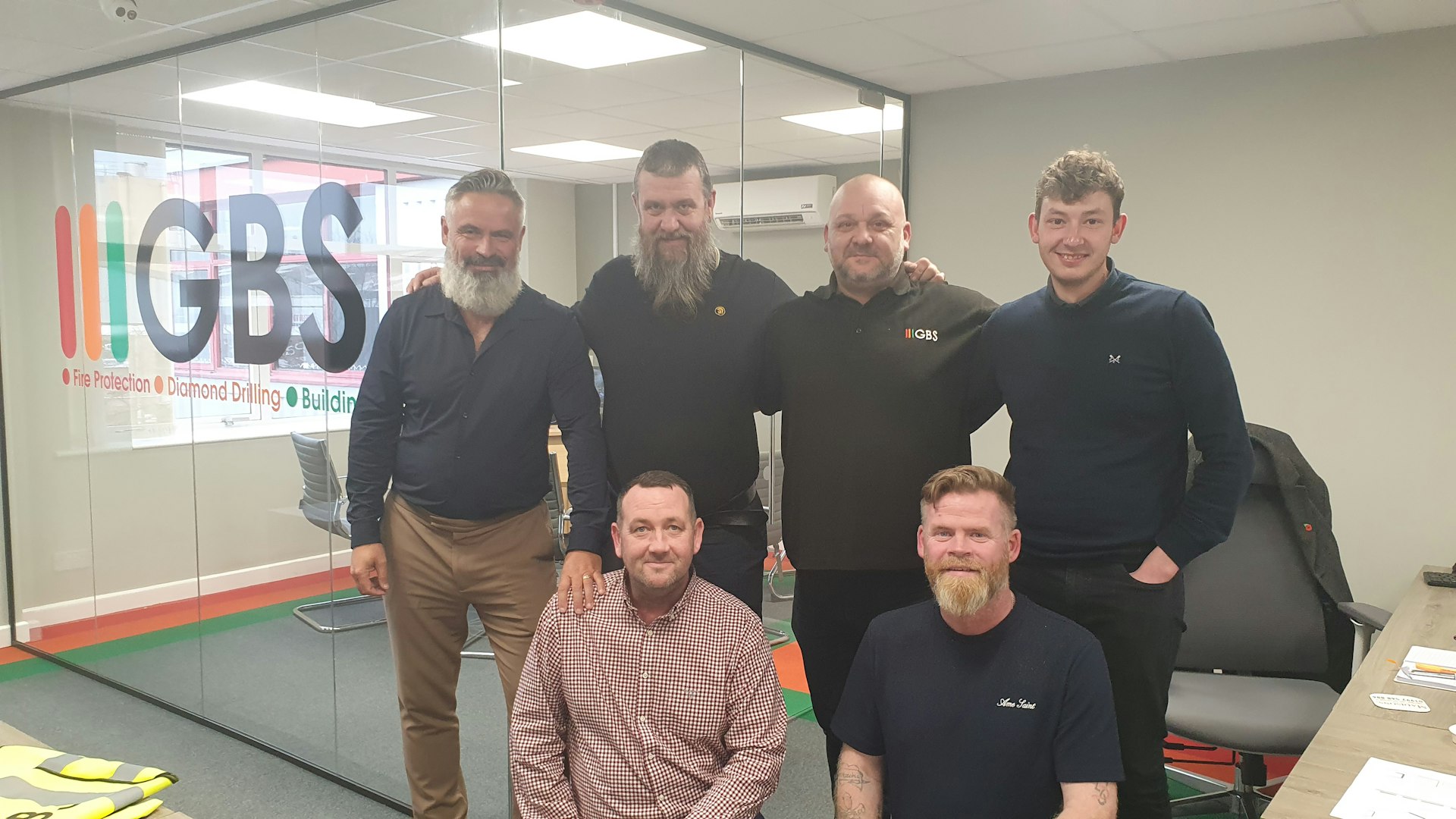
In the early 1990s, Noel Garnham (Noel Snr), son Joe and brother Mike were working at a flour mill in London when someone quoted them a small fortune for diamond drilling. Noel's response was simple: "Buy the kit, I'll do the job."
That decision kicked off what would become GBS's drilling division, now employing around a dozen specialist drillers using specialist Hilti equipment.
Three decades on, the Ipswich firm turns over £10 million annually, employs 25 people directly and works with 80 subcontractors across three divisions – refurbishing university campuses, upgrading hospital fire systems and delivering pitch-perfect work at Portman Road.
The journey from backroom offices in Somerset Road and Hampton Road to purpose-bought premises at the Farthing Road industrial estate, based off Sproughton Road, reflects ambition, adaptation and what could be described as the Garnham family values.
Three generations building trust
Joe Garnham didn't plan to join the business. He wanted to be a footballer. "I wasn't good enough," he says, self-deprecatingly in his second-floor office, occasionally alerted to a notification on his smart watch, taking careful notes of our interview with a black pen and lined A4 pad. A silver shovel trophy, a 25th wedding anniversary gift, sits nearby.
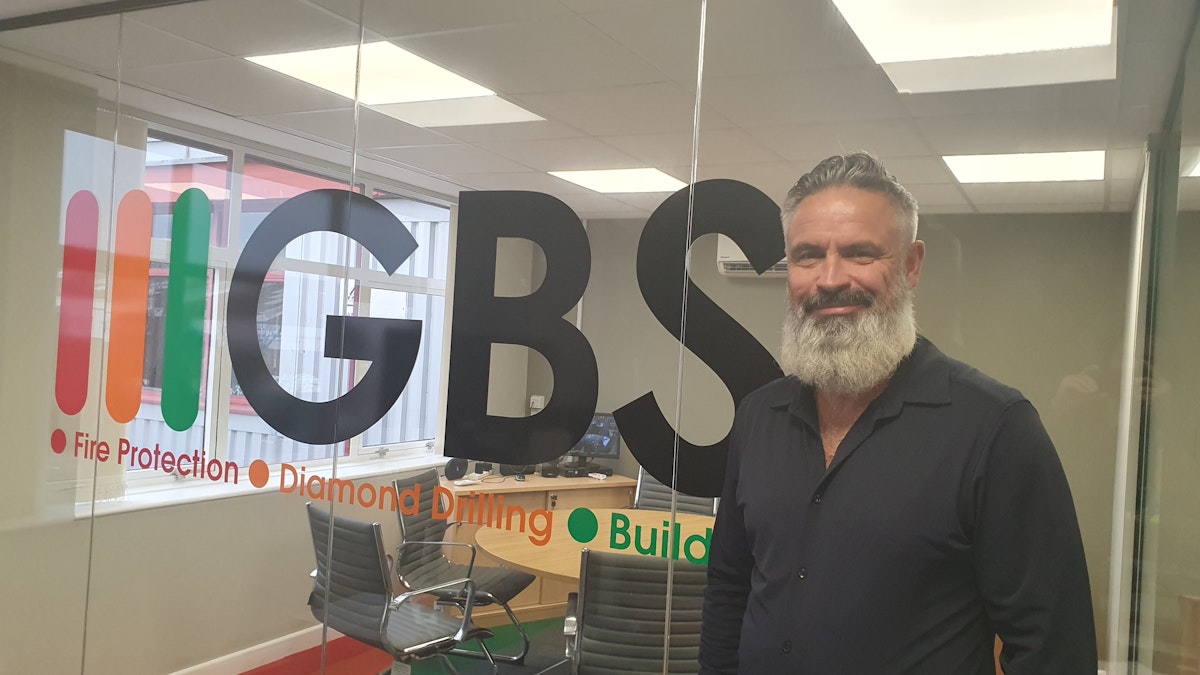
So aged 18, with qualifications he describes as "less than stellar," he signed up for a bricklaying course and joined his dad's firm. His starting wage was £29 a week – not exactly Premier League money.
Today, three generations work across the business: Joe's son Jack as a plumber, his daughter Libby managing social media from university, his wife Emma running accounts and administration, and Joe's brother Michael involved in operations.
"It's in our DNA," says Joe, a company director since 1998. "If they're not family, they're best friends."
That ethos of trust and loyalty shapes how GBS operates. The firm has built its reputation through long-term relationships with major contractors including Morgan Sindall and Barnes Construction, to name just a few.
With 80 subcontractors working across multiple sites, maintaining quality control is critical. "Not everyone coming into construction understands how it works," Joe reflects. "But our team cares. You can tell they care."
That culture – rooted in family and trust – extends through every subcontractor on site. It's a network built not on lowest price, but on reliability, relationships and shared standards.
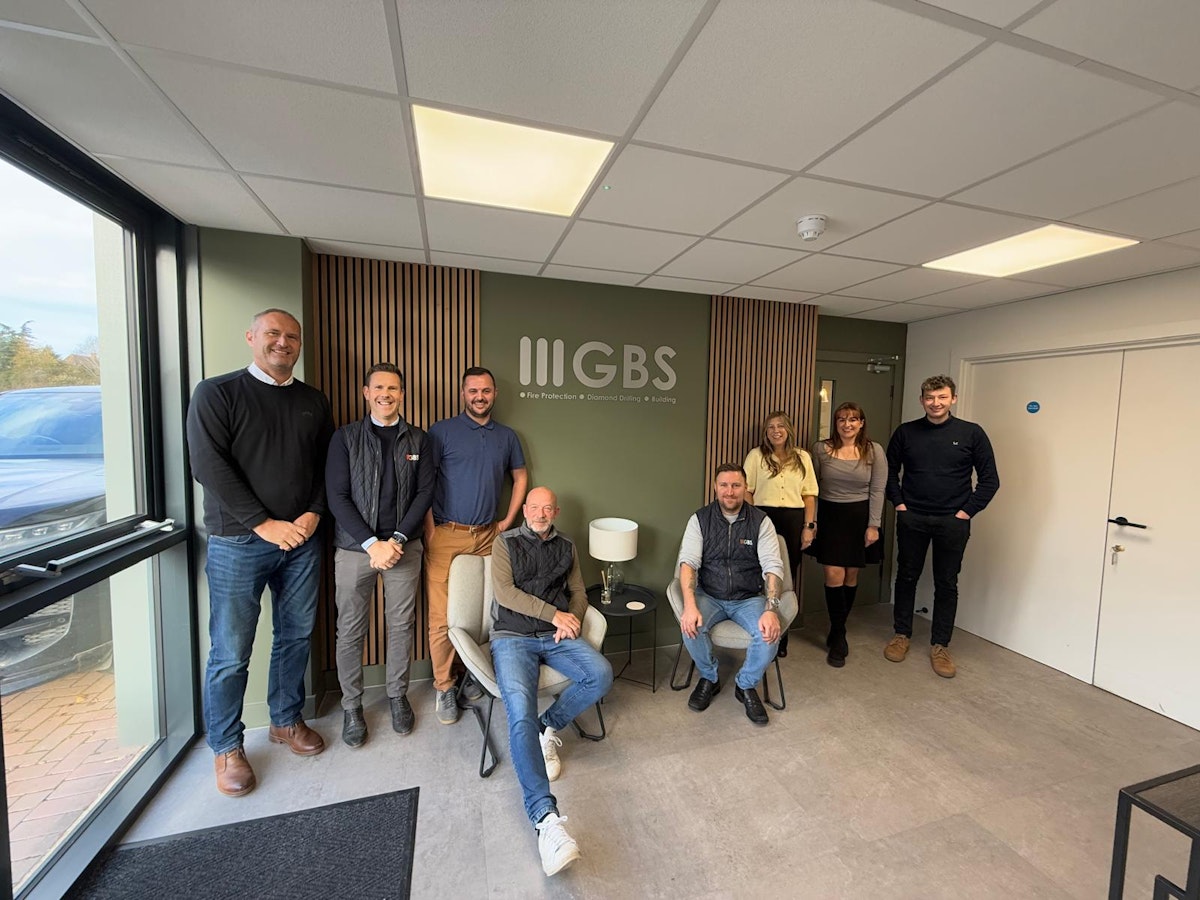
The fire protection division, which started about 15 years ago with a One Sixth Form College project, has grown into the largest part of the business, with around 10 office staff and 50 to 60 people working on sites across the region with directors Chris Morgan and Hari Pidgeon based at its Risby office.
The work spans everything from small jobs to million-pound contracts.
Noel Snr retired 15 years ago but likes to pop in from time to time. "When he was running it, it was all residential work. No emails, no health and safety minefields. Now it's a different world."
From handshakes to health and safety
Construction has changed a bit since Noel's day. Back then, you could agree a job with a handshake and a bacon roll. Now, you need a contract in place, RAMS (Risk Assessments Method Statements) and certification proving your gloves meet the correct British Standard.
"You can be fined up to £150 for wearing the wrong ones," Joe says solemnly.

He reflects: "When I was younger, you trusted people. Agreements were verbal. Now everything has to be in writing. Some people change just for a bit of money." He seen that first hand.
Health and safety improvements have made sites safer but the regulatory landscape has become increasingly complex. "More transparency and honesty," Joe says, when asked what he'd change. "There's a blame culture now. Everyone wants to pass the buck."
Then there's the workforce challenges. "There's a shortage of skilled labour. People are retiring," Joe notes. The firm has tried bringing in younger workers but many struggle with the demands of construction work, particularly in winter months. "They want £150 a day, turn up at 08:30, leave at 14:30, and don't want to be told what to do."
There are efforts to fix the gap: women in construction, ex-forces recruitment, apprenticeships. But as Joe puts it: "They've got to want to do it."
Rooted in Ipswich
Joe moved to Ipswich from Scotland aged eight. He attended Westbourne High School (now Westbourne Academy), met his wife Emma at Liberties nightclub and has lived in the town ever since.
His perspective on Ipswich today reflects both concern and hope. The town is in transition and the high street faces real challenges.
"Shops are closing; now we have barbers, sweet shops, bookies. It's sad."
He's not convinced online shopping is the only culprit. "Norwich and Stratford Shopping Centre are thriving. What Ipswich needs is backing and belief: something to bring people in and keep them here."
Even Ipswich Town's return to the Premier League last season hasn't quite transformed the town's fortunes, he says. "Away fans come, eat, go home. But there's no nightlife now – just a few pubs."
In Joe's view, revitalisation means more than matchday footfall. It means attracting bigger retailers, quality eateries and giving people a reason to linger; not just pass through. "I like the Portal," he adds, the live streaming video sculpture in the Cornhill. "It's something different."
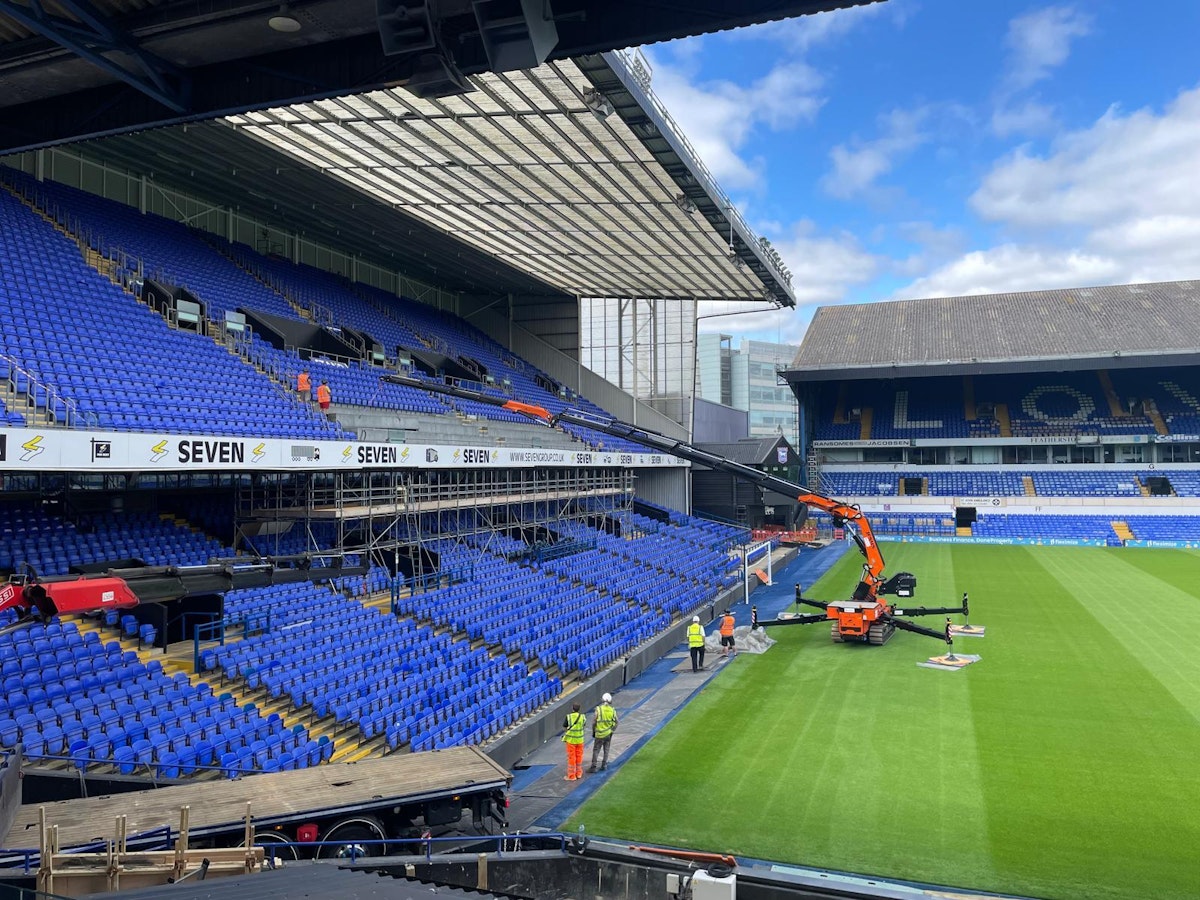
That sense of pride carries through to GBS's own footprint. The firm continues to invest in its Ipswich base and the region's infrastructure, with work spanning University of Cambridge campuses, hospital fire upgrades, and an £800,000 refurbishment of a wing at Norwich Prison.
At Portman Road, they've reconfigured seating, refurbished the Sir Alf Ramsey Bar, and installed new kitchens, flooring and electrics.
Family fortunes
GBS's story is not one of overnight success or flashy branding. It's a story of persistence and pragmatism.
The company's journey reflects the evolution of construction itself: more complex, more regulated, and more reliant on trust and professionalism. What began with the flour mill breakthrough has become a comprehensive operation spanning diamond drilling, fire protection and building services.