Change is unsettling. That’s not a criticism, it’s just a truth. If you’ve grown up with something working a certain way, if it has brought you joy, pride, memories, then of course you’re wary when someone suggests doing it differently. Wanting to protect what you know doesn’t make you closed-minded; it makes you human.
You only have to stand on the terraces at Portman Road to hear it.
There’s a clear divide among Ipswich Town fans when it comes to playing out from the back. For some, especially those who’ve lived through enough needless concessions, it feels like tempting fate. A misplaced pass, a press gone wrong, and suddenly you’re one-nil down for no good reason. The frustration is visceral. You can almost feel the collective intake of breath every time the ball goes back to the keeper.
Then there’s a younger generation of fans who are far more comfortable with it. They’ve grown up watching football where control, patience and structure are part of the game. For them, playing out isn’t recklessness, it’s intent. It’s about shaping the pitch, drawing teams out, and creating space.
What’s interesting is that both sides are reacting to the same thing: risk.
On Saturday, two of our goals came from exactly that approach. Calmness at the back, movement through the thirds, the confidence to keep the ball when the easy option would have been to lump it forward. When it works, it looks obvious. Logical, even. But because it can go wrong, that’s the moment people remember. Mistakes burn themselves into memory far more deeply than success ever does.
And that dynamic isn’t unique to football. You see it all over Ipswich.
Ipswich is not, and probably never will be again, a “retail first” town centre in the way some people remember. For many, that’s scary. Shops were familiar, tangible, and easy to understand. You came in, you bought something, you went home. Losing that feels like losing certainty.
But for many people, especially younger generations, the town centre doesn’t need to be that anymore. Their lives are already mixed. They don’t separate shopping from eating, culture from socialising, work from leisure. They want places that flex, that feel alive at different times of day, that give them reasons to stay rather than just pass through.
At the heart of that shift is culture – not culture in a narrow, arts-only sense, but culture in its widest possible meaning. What we value. How we spend time. Where we gather. What we celebrate.
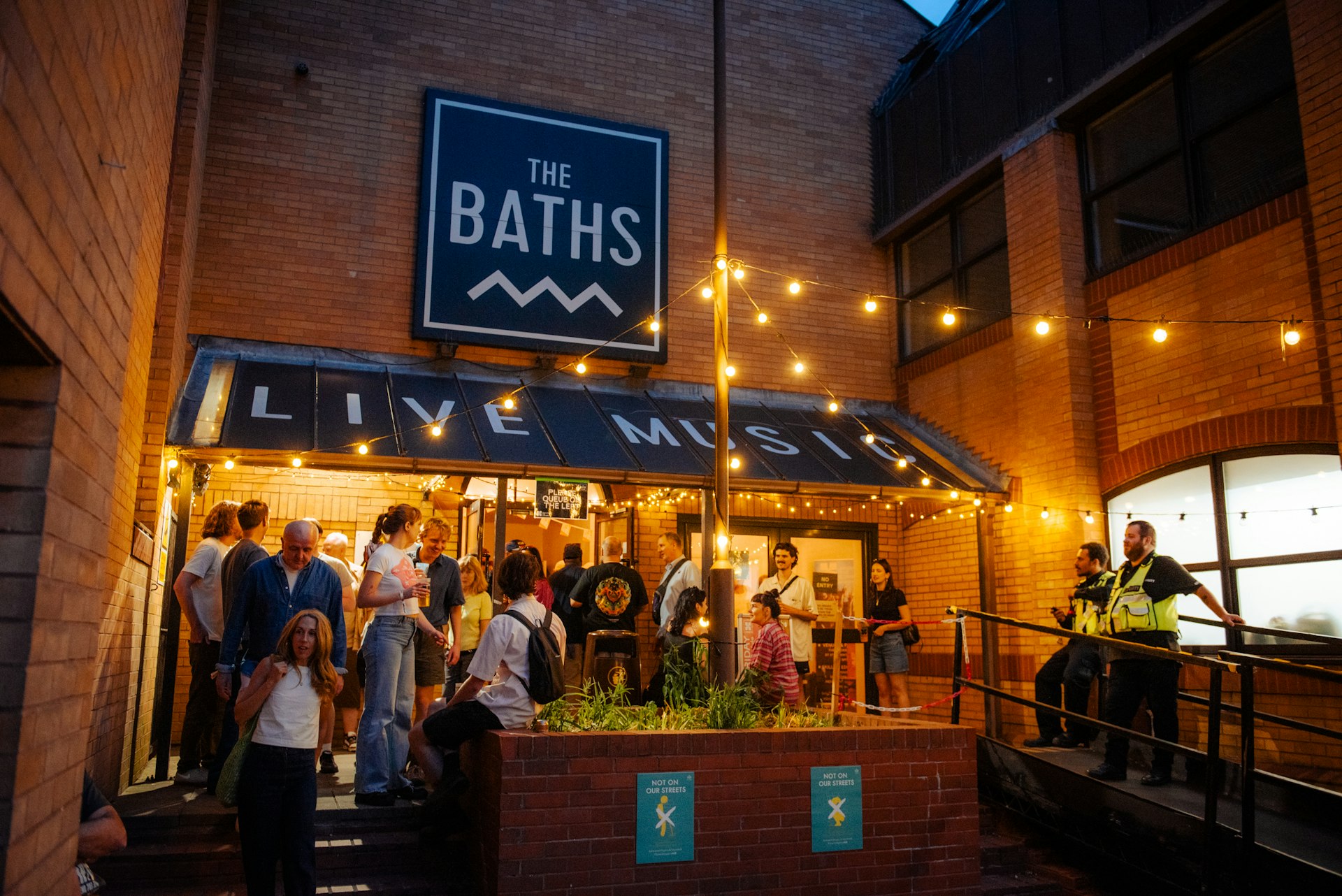
Ipswich has always evolved this way. Where we once had a mill, we now have an international dance studio. Where there were public baths, there is now a live music venue. Where Ipswich once found its identity in Thomas Wolsey, it now shares it with Ed Sheeran. Different eras, different expressions – but the same underlying story of a town shaped by what people come together to do.
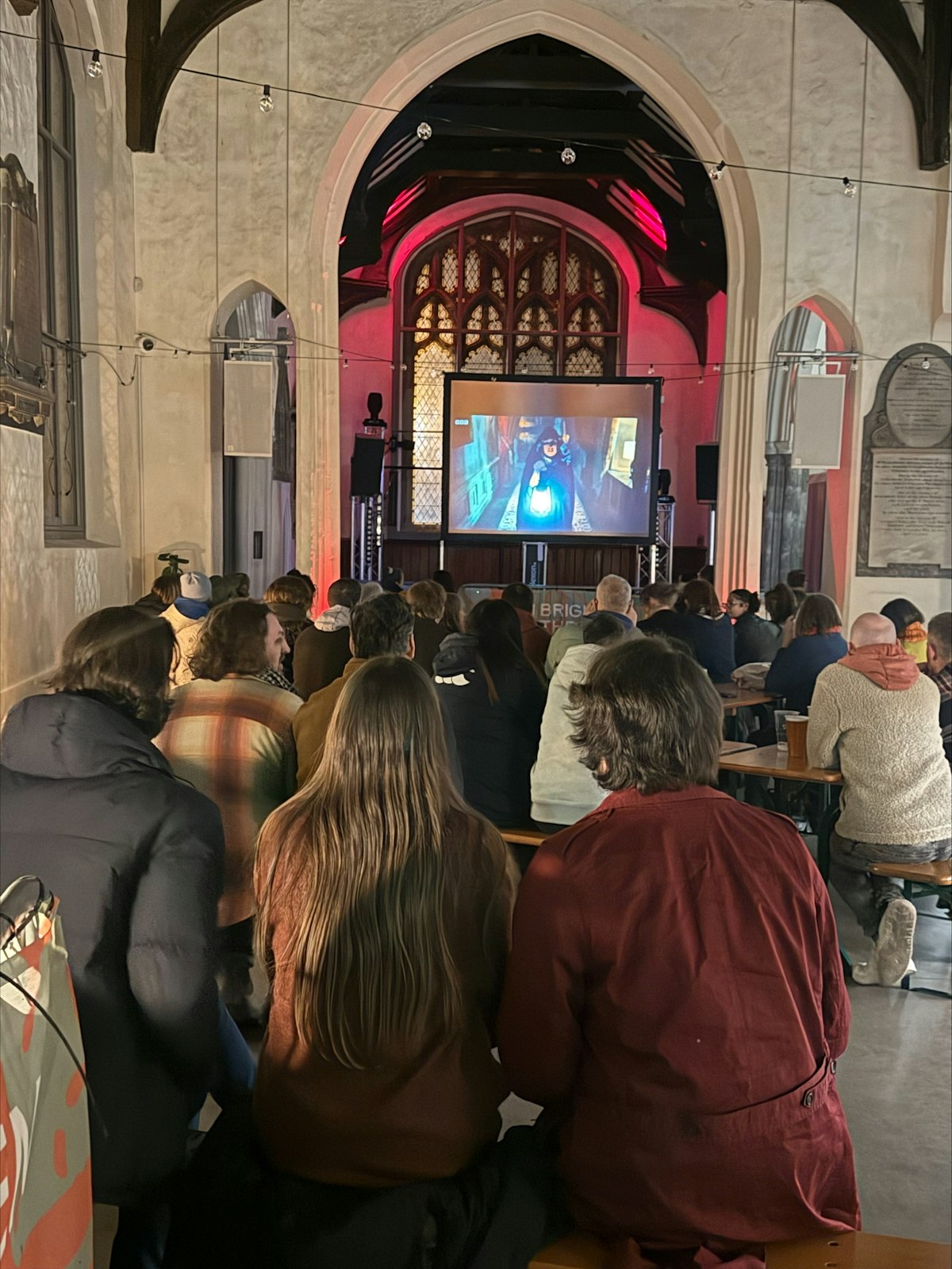
That doesn’t mean retail disappears. In the same way Ipswich Town don’t always play out from the back, Ipswich as a place hasn’t abandoned shops. The retail that works, that has a clear purpose and offer, still scores goals. It still matters. It just sits within a broader system now.
A mixed approach isn’t a betrayal of the past; it’s an adaptation to the present.
The danger is that when change misfires, when a unit sits empty or a decision doesn’t land, that becomes the story. Just like the misplaced pass that leads to a goal, it reinforces the fear that the old way was safer. What we forget are the moments when change quietly works, when new patterns build confidence, footfall, momentum.
Progress has always involved risk. The question isn’t whether we eliminate it entirely – because we can’t – but whether we manage it intelligently, with purpose and with empathy for those who feel uneasy about it.
Because being cautious doesn’t make you wrong. But staying still, out of fear that something might go wrong, guarantees something else will.
Ipswich has always been at its best when it backs itself. On the pitch and off it.
This article was written by Lee Walker, CEO of Ipswich Central, the Business Improvement District (BID) for Ipswich's town centre and waterfront.