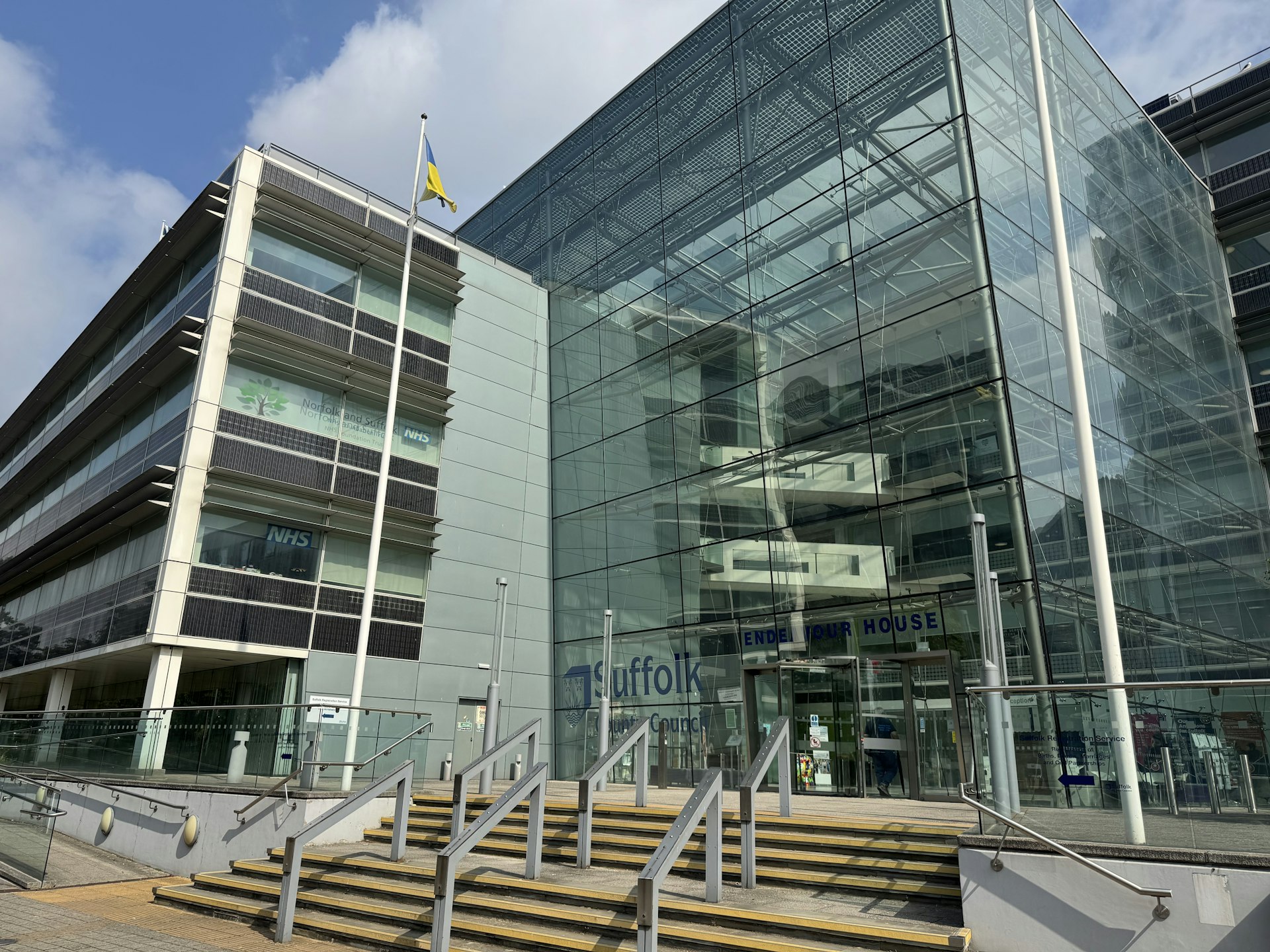
James Kindred and other autism campaigners are in mediation with Suffolk County Council over three-year waits for assessments.
"We're now at a stage where we're in mediation with SCC to try and resolve the issue," says James Kindred, who was diagnosed with AuDHD at 45. "But SCC are not making a progressive effort to solve the issue of waiting times, or improving awareness and understanding of Autism in the region."
His fight is personal. "Personally, I was fortunate to be able to seek a diagnosis privately, but my daughter had to wait 3+ years to even begin the process, and it took a lot of persistence from me to get there."
The numbers behind the crisis
Recent NHS England figures show patients with a suspected autism referral in the NHS Suffolk and North East Essex Integrated Care Board area waited an average of two years and 11 months to get assessed in June. It was up from six months a year earlier, and well above the 17-month average across England.
National Institute for Health and Care Excellence guidelines recommend that individuals with suspected autism have a diagnostic assessment started within three months of referral.
In Suffolk and north-east Essex, 2,525 patients were waiting for an assessment in June, including 91% with a referral that had been open for three months or longer.
Strategy dispute at the heart of mediation
James co-chairs Suffolk's Autism Strategy, representing the voices of those with lived experience, but says the council stripped away their input. "I hope that SCC will reinstate a lot of the strategy that was gutted following our consultation and seek some[one] with lived experience to head up meaningful change within their organisation and the wider community."
An open letter from the Lived Experience Group reveals the depth of their frustration. "The Strategy was originally drafted as a 119-page document, with input from Lived Experience representatives," it states. "The 'streamlining' of this to 36 pages was done without autistic input. The resulting strategy is therefore something that is not fit for purpose, as it fails to reflect the views and needs of the autistic community."
"Important issues such as older autistic adults, late diagnosis, autistic burnout, masking, intersectionality and suicide have not been considered," the letter continues.
"The Strategy fails to adopt the principle of 'Nothing about us, without us'. It is being done to us, not with us."
The campaigners describe a consultation process that caused harm. "Lived Experience representatives are being asked to provide consultant-level input for free. This is not equitable, fair or respectful of the value of autistic expertise. The process has caused harm to autistic people involved, including gaslighting, exclusion, and negative impact on mental health."
Life and death consequences
"With World Suicide Awareness Day just past, it's worth mentioning that there's a largely increased risk of suicide in Autistic people," James says.
Research shows the stakes are life or death. Between 11% and 66% of autistic adults have thought about suicide during their lifetime, compared with 17% of the general population. Up to 35% of autistic adults have planned or attempted suicide.
Risk factors include autistic burnout, social isolation, lack of support, and unmet mental health needs. Autistic people may camouflage or mask their difficulties, which increases stress and risk. Some autistic people have alexithymia – difficulty recognising or describing emotions – which may affect their ability to recognise or seek help when suicidal.
National pressure builds
Tim Nicholls from the National Autistic Society calls the situation "staggering". "The problem isn't that more people are seeking an assessment, but rather the efficiency and capacity at a local level," he says. "The case for more direction and funding from central Government is crystal clear."
"Getting an assessment shouldn't be this hard," Nicholls continues. "Autism assessments can be the first step to understanding people's needs, and a diagnosis can be life-changing and, in some cases, lifesaving."
"Autistic people and their families face a constant fight for support, and far too often this starts with long waits for a diagnosis. The Government must provide urgent funding for diagnosis services to end this worsening crisis, and make sure autistic people and families get the support they need when they need it."
Across England, 236,225 people were waiting for an assessment in June – up 15% from 205,958 a year earlier and a 53% rise from 154,147 in June 2023. Nearly nine in ten (89%) had been waiting for at least three months.
Official responses
Garry Joyce, Deputy Director of Transformation for Children and Young People at the NHS Suffolk and North East Essex Integrated Care Board, said: "The current average waiting time for an autism assessment for school-age children under the age of 11 is 30 weeks, but for those aged between 11 and 18 it is currently just over two years, which we accept is far too long."
"Over the next few months, we will be taking steps to assess those children and young people in the latter category who have been waiting the longest so that no one left on the list will have been left waiting for more than the current average wait time."
Suffolk County Council defends its approach while admitting flaws. "We recognise that the current strategy isn't perfect, but it was a significant step forward from where we were before it was published," a spokesperson says.
"Like all strategies, it was always intended to be a living document, something that grows and evolves over time. We remain committed to continuous improvement to deliver our vision: that every autistic person in Suffolk, along with their parents, friends and carers, can live fulfilling and rewarding lives in a county that truly accepts and understands them."
A Department of Health and Social Care spokesperson said: "Autistic people have been let down by the broken NHS we inherited, and we know many are waiting too long for a diagnosis. We are putting patients first as we work to speed up appointments and improve care. Our 10 Year Health Plan sets out how the NHS will offer support earlier to children with Special Educational Needs, including autistic children, to reduce pressure and get them the right support quicker."
An NHS England spokesperson said: "All patients, including neurodivergent people, deserve the best possible experience of NHS care, and we recognise these long waits are unacceptable and cause distress."
The bottom line
"The Strategy fails to adopt the principle of 'Nothing about us, without us'. It is being done to us, not with us," says James Kindred.
In Suffolk, where families face three-year waits for life-changing diagnoses, those words carry weight that goes far beyond policy disputes. The council insists the strategy was "a significant step forward" and remains "committed to continuous improvement". The NHS pledges to prioritise the longest-waiting children. But for families caught in a system where guidelines recommend three months and reality delivers three years, the question remains: will change come fast enough?