
Ambulance service moves to highest alert level, urges public to think before dialling 999
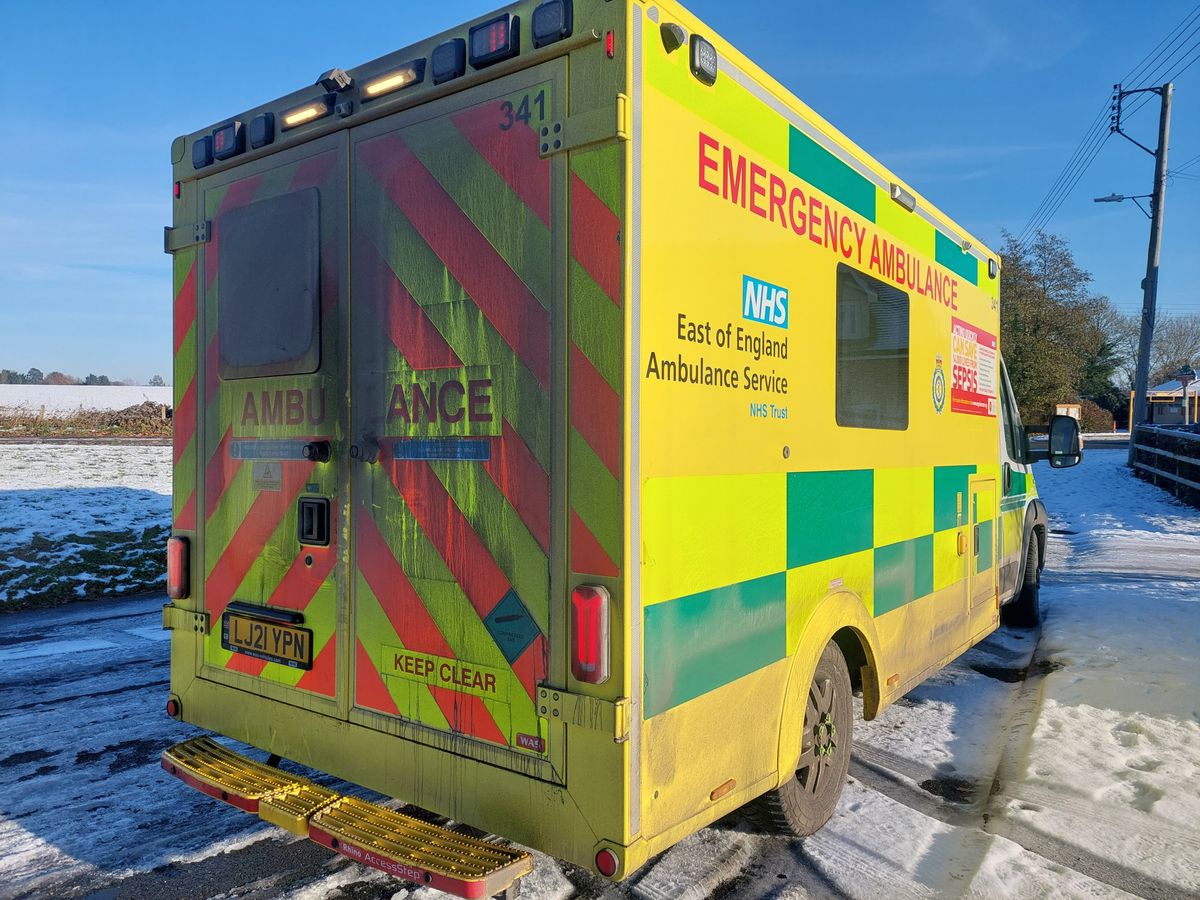
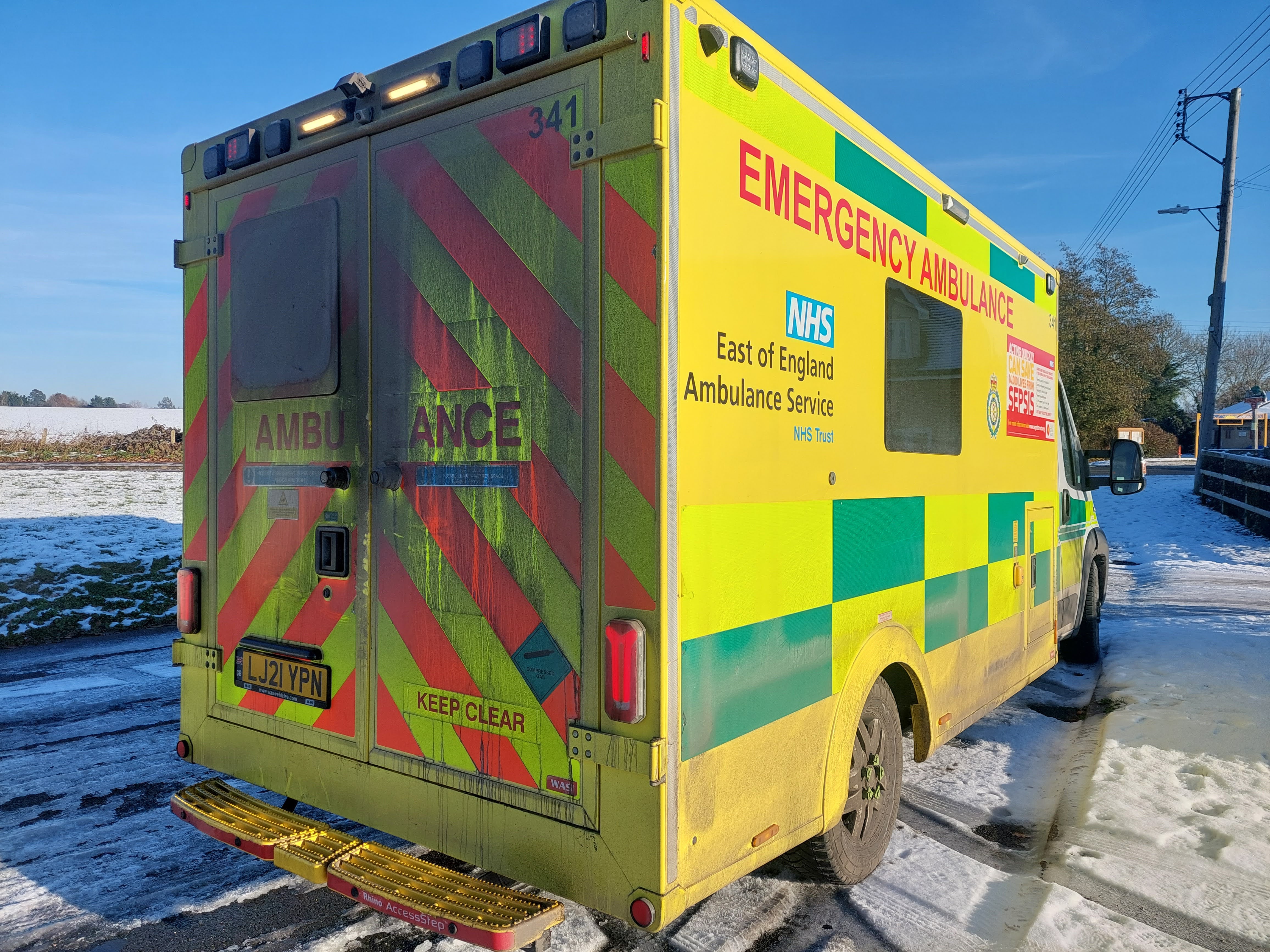
The East of England Ambulance Service (EEAST) has moved to its highest alert level as hospitals struggle with unprecedented winter demands. The service warns that some patients may need to make their own way to hospital as it prioritises life-threatening cases.

Why it matters: The crisis affects every resident in Suffolk, potentially leading to longer wait times for emergency care during one of the busiest periods of the year.
The big picture: EEAST has escalated to Resource Escalation Action Plan (REAP) Level 4 – the highest alert level – due to:
- A sustained surge in emergency calls
- Significant delays in handing over patients at hospitals
- Expected increased demand from cold weather
- Anticipated pressure from New Year celebrations
What it means for patients:
- Life-threatening emergencies remain the priority
- Some patients will face longer waits for ambulances
- Less urgent cases may be advised to make their own way to hospital
- Arriving by ambulance won't mean faster treatment at hospital
What they're saying: "There is an outstanding level of pressure on the whole health system in the East of England," says EEAST medical director Simon Walsh. "We have seen a huge spike in demand, driven by an increase in respiratory illness, which means many of our hospitals are at capacity and our ambulance crews are stretched to the limit."
How to help: The service urges residents to:
- Only call 999 for genuine emergencies
- Use GP services where appropriate
- Contact NHS 111 for urgent but non-emergency care
- Consider making their own way to hospital for less serious conditions
Bottom line: While EEAST promises to respond to all medical emergencies, patients with less serious conditions should expect delays and consider alternative care options during this critical period.
Independent local journalism is expensive to produce
It's free for you to read thanks to the generous support of our partners.
Below the line